Join RALF to share your own tips and traps
Tips & Traps
Insider advice from Local Friends and travelers. What to do, and what to avoid, city by city.
- TipA place or a move worth it
- TrapWhat to avoid, and how
- Every post is checked before it goes live
Insider advice from Local Friends and travelers. What to do, and what to avoid, city by city.
Join RALF to share your own tips and traps
New this weekPicks from our Local GurusCommunity picksrefreshed every Monday
Share a tip, or warn travelers about a trap. Every post makes your profile easier to find.
New post16 posts foundnewest first
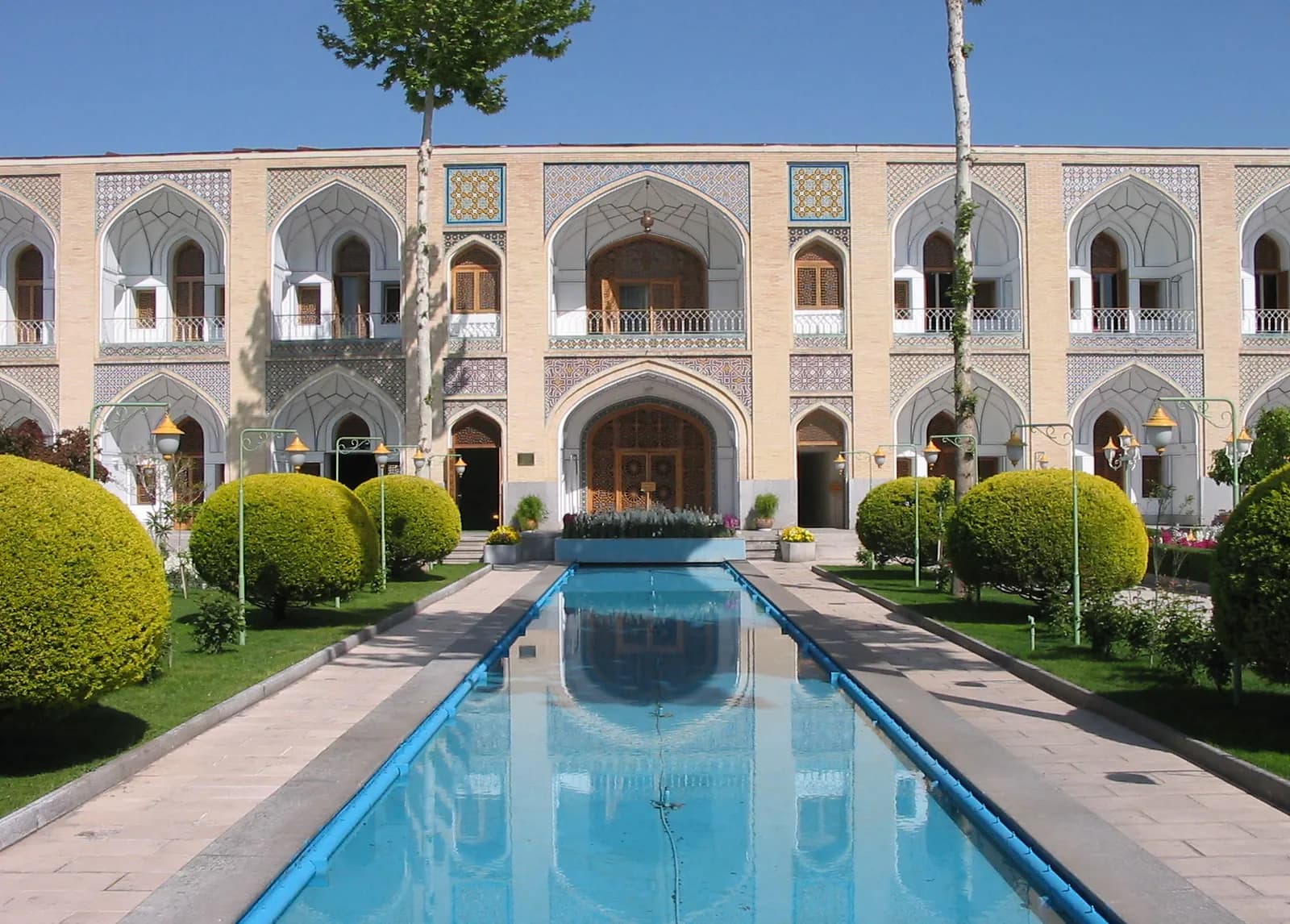
The Abbasi Hotel, on a side street of Chaharbagh, was built as a caravanserai under Sultan Husayn and still operates as a hotel, with old paintings and artefacts in its gardens. A rooftop restaurant overlooks the city and a traditional Iranian restaurant serves local dishes. Choose it for the building more than the…
The Isfahan Music Museum shows traditional Iranian instruments, and its student guides often play them for visitors, sometimes closing the visit with a short classical Persian concert. Reviews from 2024 to 2026 describe this, so it is clearly still active. Guides disagree on the address, with some placing it in the…
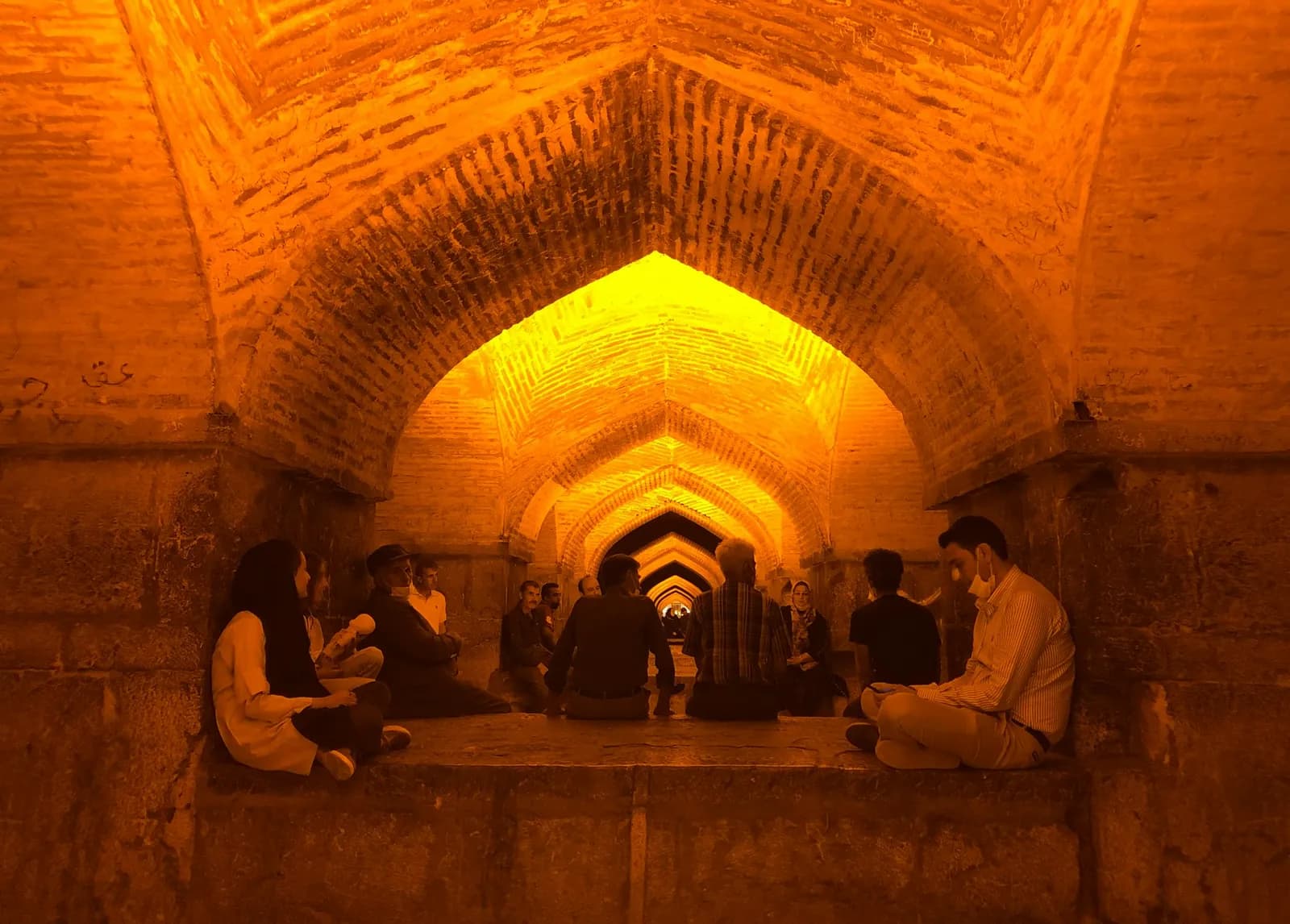
The covered Qeysarieh Bazaar north of the royal square is free to enter, but each shop keeps its own hours and many close as the day fades. Mornings and midday are busiest and best for browsing carpets, inlay and copperware. Arrive early, compare a few stalls patiently and keep the last hour of daylight for the square…
Poolaki is a thin, coin-shaped candy made mainly in Isfahan, in flavours such as saffron, lemon and pistachio, and it melts in the mouth like toffee. For travel, look for gaz-e-ardi, the flour-dusted gaz that keeps longer and is less sweet. Sweet shops around the royal square and the bazaar stock both, so taste first…
The Atashgah, a Sasanian fire temple complex on a hill west of the centre, rewards a climb with views across the plain. There is no paved path and the clay soil crumbles underfoot, especially after rain, so flip-flops are a bad idea. Take a taxi to the foot of the hill, wear sturdy shoes, climb in the cooler hours and…
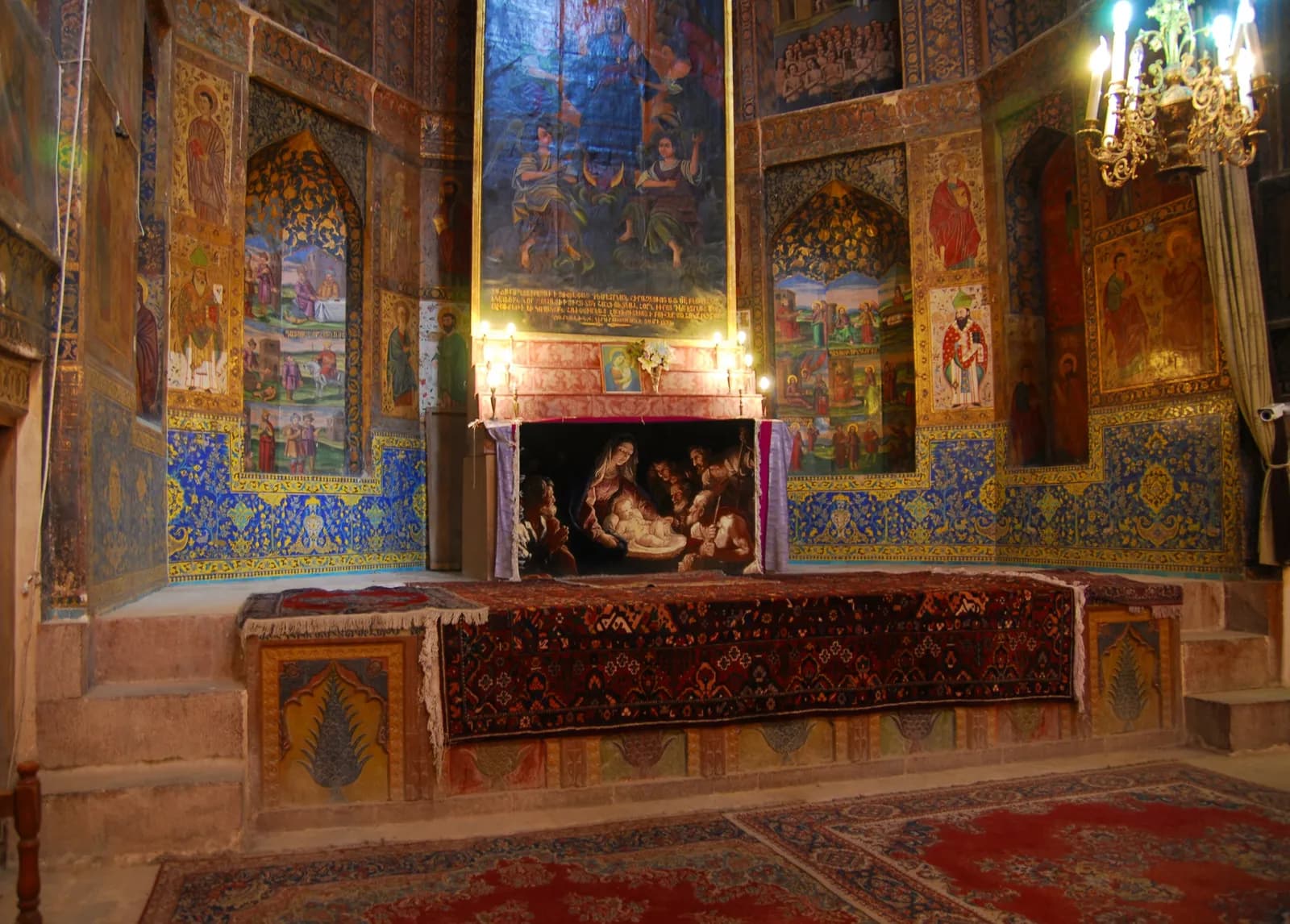
Bedkhem Church stands on Julfa Square beside Saint Mary Church and dates from 1627, paid for by the merchant Khaje Petros. Inside, two rows of 72 paintings by Armenian artists show the life of Jesus under a gilded dome. It is smaller than the cathedral most visitors head for, so it makes a calm second stop on a Jolfa…
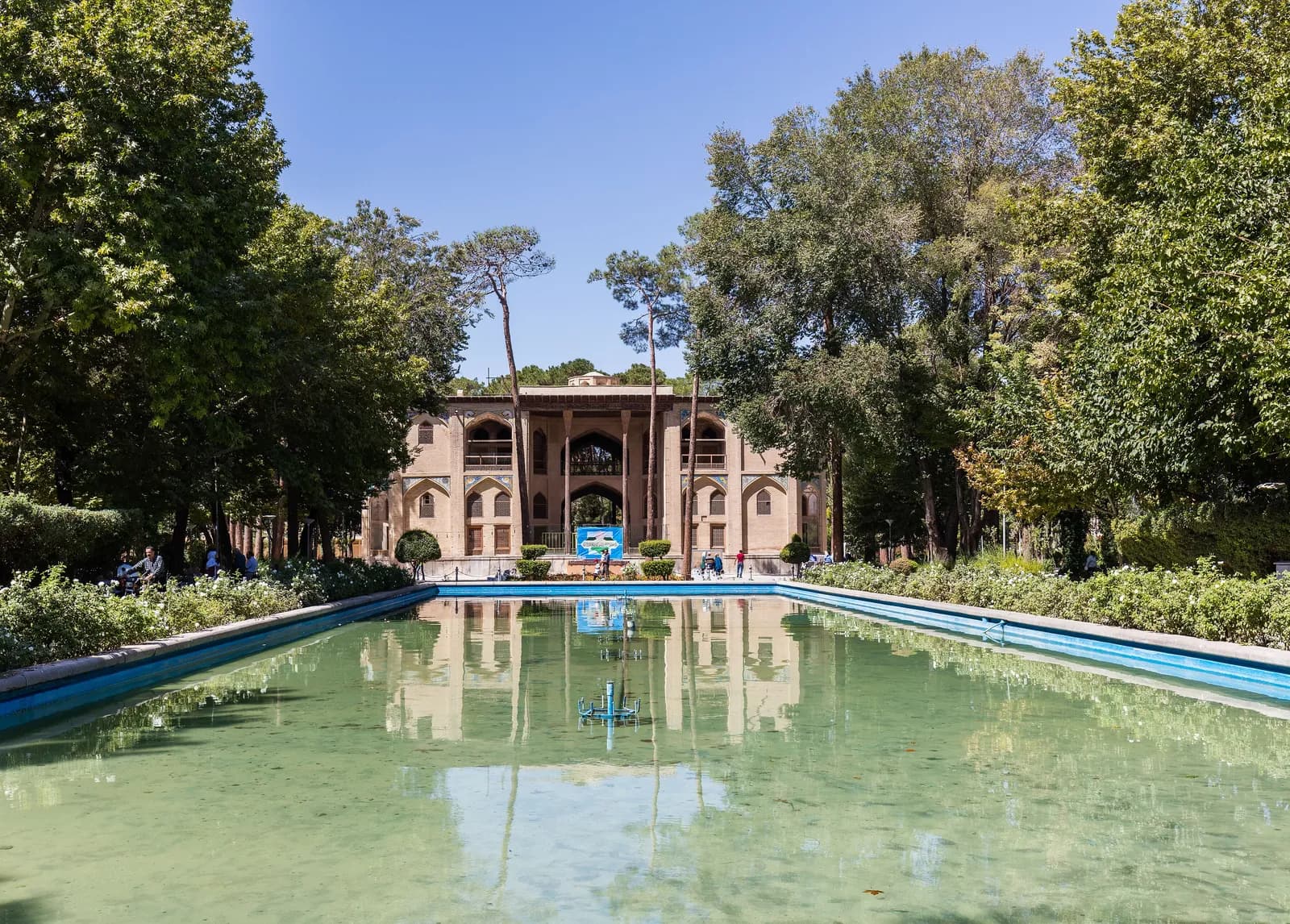
Hasht Behesht, the Eight Heavens, is an octagonal pavilion from the 17th century, built under Shah Suleiman I on Chaharbagh Street. Inside are murals, mirror work, tilework and perforated woodwork, while tall thin wooden columns hold up its porches. Walk round to the pool behind the building for the classic view of…
Menar Jonban, a 14th-century tomb with twin brick minarets west of the centre, is famous for its shake: when the caretaker moves one minaret, the other trembles too. The staircase is closed to visitors, so only the caretaker climbs. Published demonstration times differ between guides, so ask on arrival and come early…
Soffeh Mountain rises just south of the city, and its park covers at least 100 hectares of hills with paths, restaurants and a panorama of Isfahan that is best seen at night. The hardest route up has ropes and takes 3 to 4 hours, so most visitors choose the gentler park trails or the cable car. Go between spring and…
Khoresht mast is an Isfahani specialty served cold: slow-cooked lamb neck mashed until stretchy, then folded into thick yogurt with sugar and saffron. It was once a royal court main course and now usually arrives as a starter or dessert, topped with pistachio and barberries. Ask for it at traditional Isfahani…
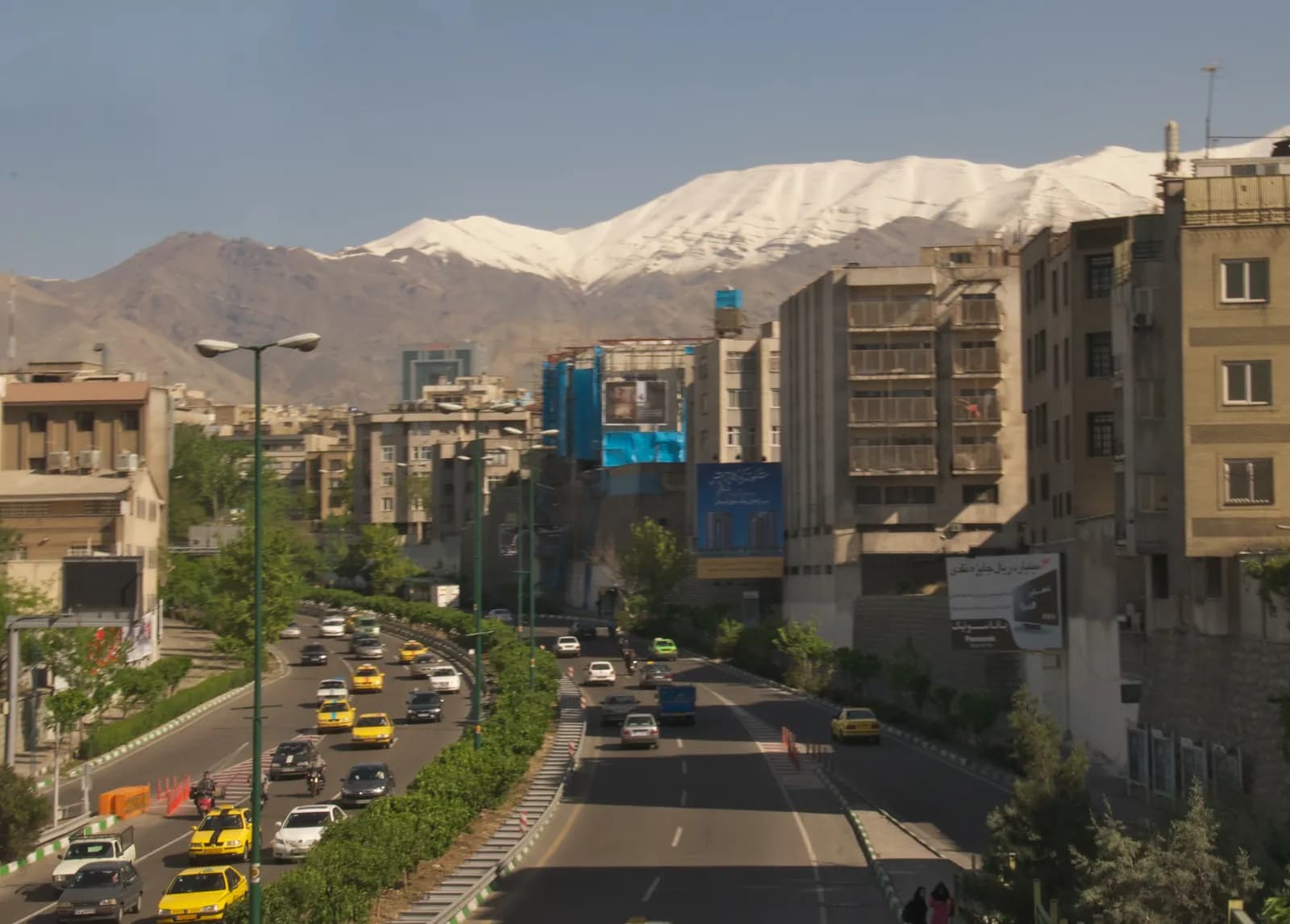
In Tehran any car can work as a taxi and most have no meter, so a fare agreed after the ride is a fare you may overpay. Order through a ride-hailing app such as Snapp or Tapsi, which show the price before you confirm and remove the haggling. If you hail one on the street, say the destination and settle the amount…
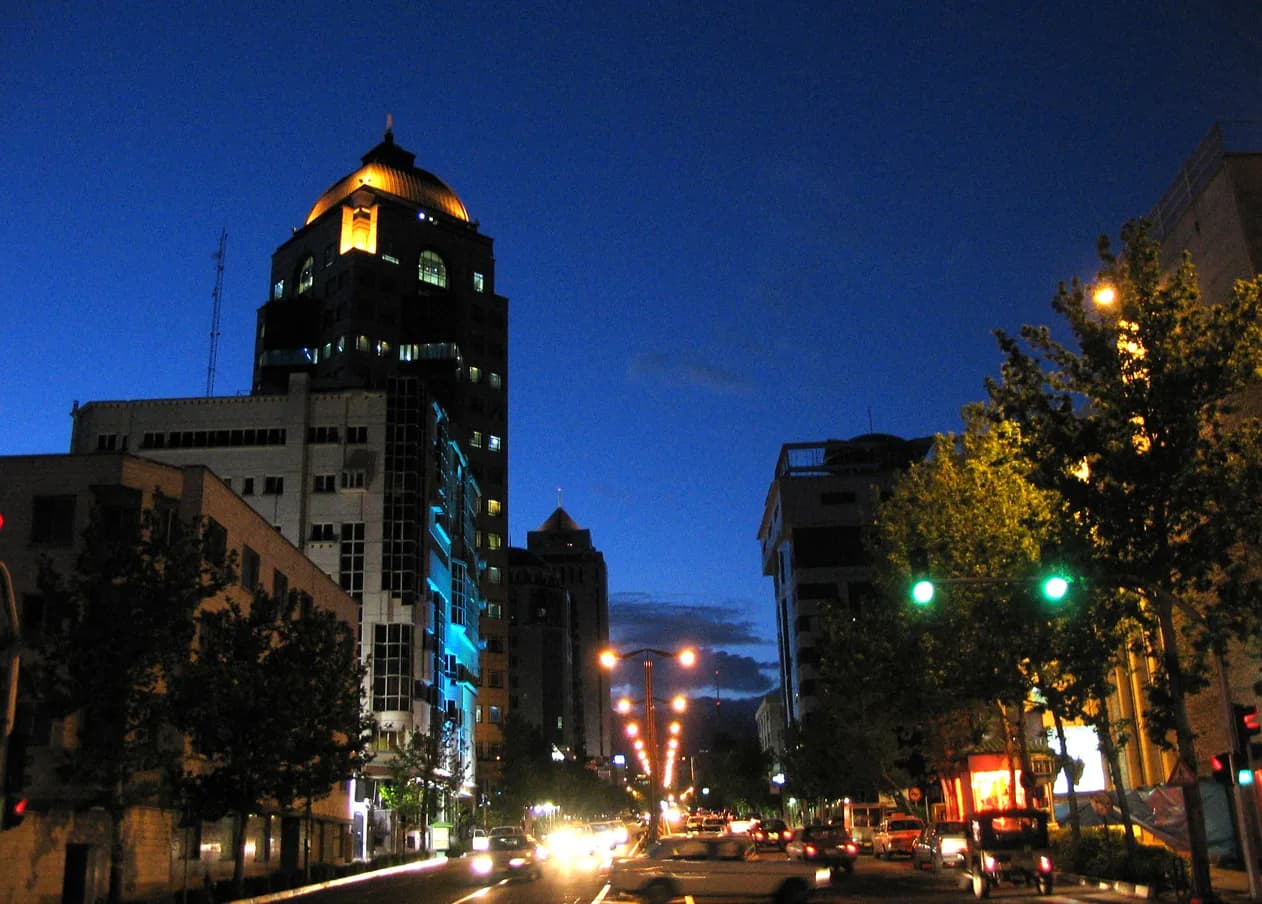
Photography near military and other government installations is strictly prohibited in Iran, and such buildings are often hard to spot. Keep your camera down around anything that looks official or secured, and do not fly a drone, which needs permission from the authorities. When in doubt, skip the shot. Locals also…
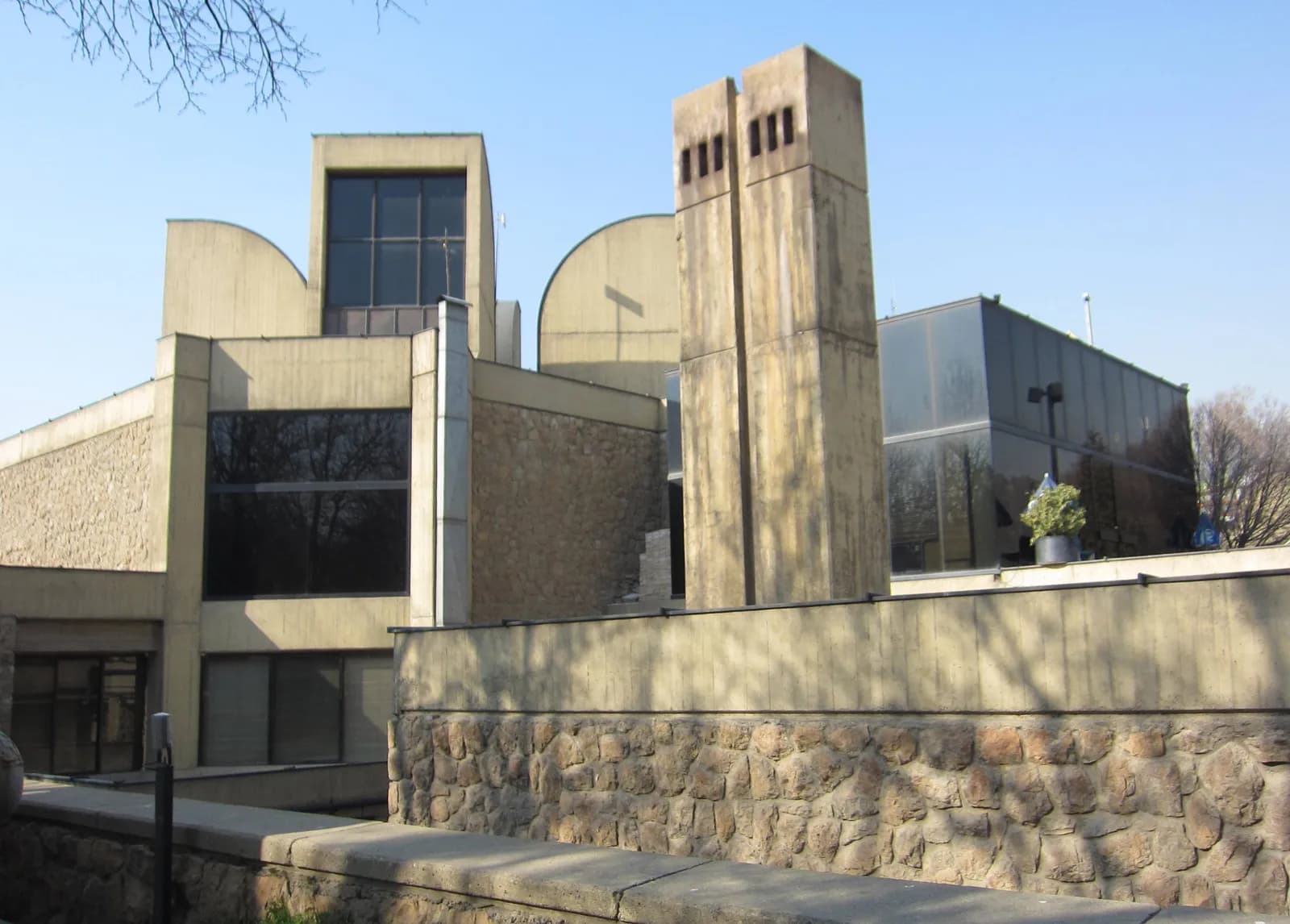
Opened in 1977 beside Laleh Park, the museum is mostly underground, so follow the spiralling walkway down through its branching galleries. The collection holds more than 3,000 works, from Iranian modern art to Western names, and the garden has sculptures by artists such as Moore and Calder. After 1979 the Western…
In Niavaran at the foot of the Alborz, this 69 hectare park is rocky and hilly rather than manicured. Climb the stairs behind the man-made waterfall for views over the city, then follow the hiking path that continues toward the peak. Take metro Line 1 or a BRT bus to Tajrish Square and finish by taxi. Hikers start…
Dizi, also called abgoosht, is a lamb, chickpea and potato stew served in its own clay pot with a masher on the table. Strain the broth into a bowl, tear flatbread into it and eat it as a soup first. Then mash the solids into a paste and spoon it onto bread with fresh herbs, raw onion and pickles. Locals pair the meal…
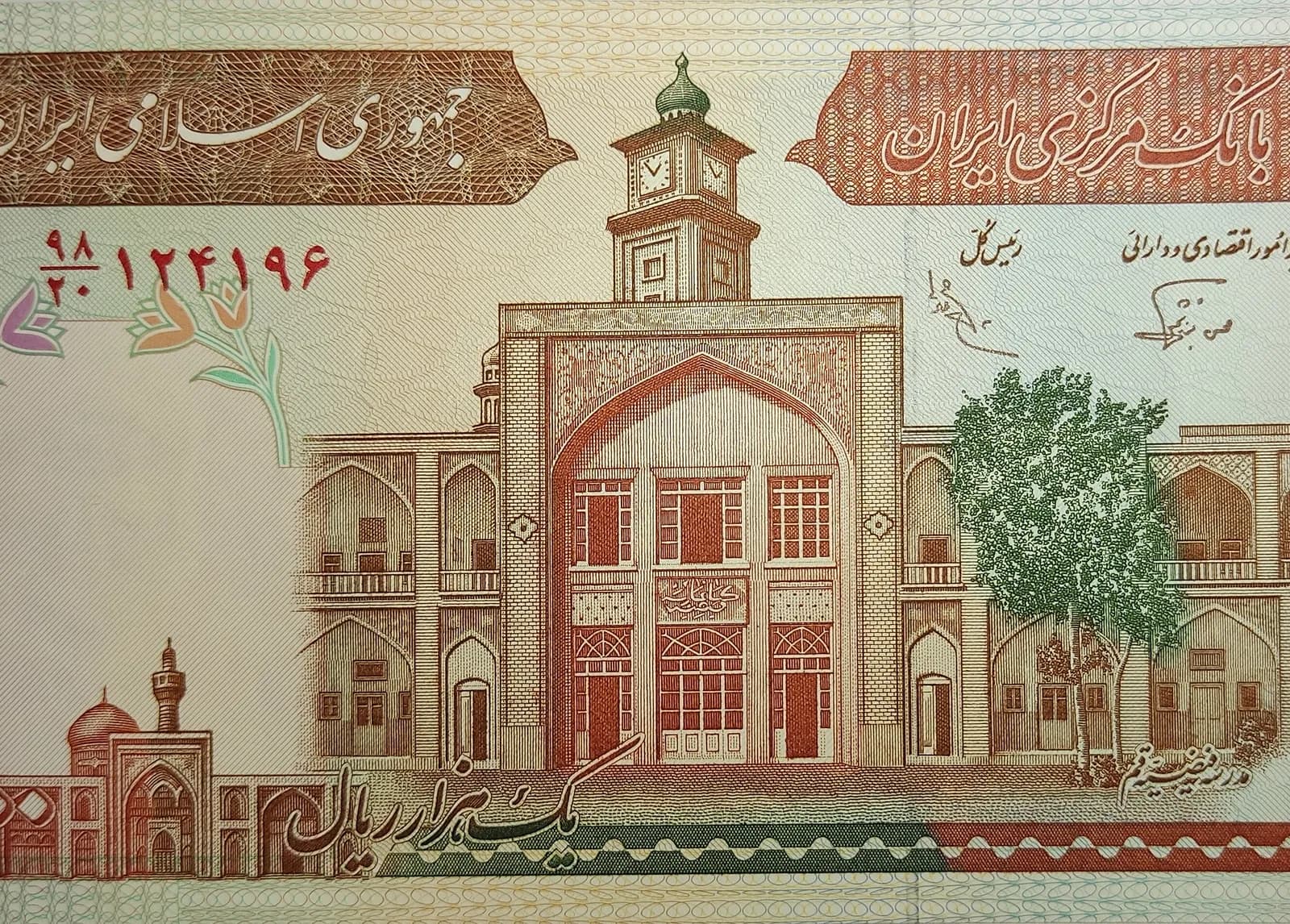
Tehran prices are often spoken in toman, while banknotes are printed in rials, and one toman equals ten rials. Before paying a taxi, a shop or a café, ask "rial or toman?" and repeat the amount back. Foreign credit and debit cards do not work in Iran, so carry cash, and keep some small notes because small shops may…
Showing 16 of 16