
HomeGlobal CommunityTips & Traps City Guides
Login
Rent a Local Friend © 2026 - All rights reserved.
  • About us
  • RALF Manifesto
  • Our FAQ
  • Terms
  • Privacy
  • Need help? Contact us!
0Local Gurus
0Local Friends
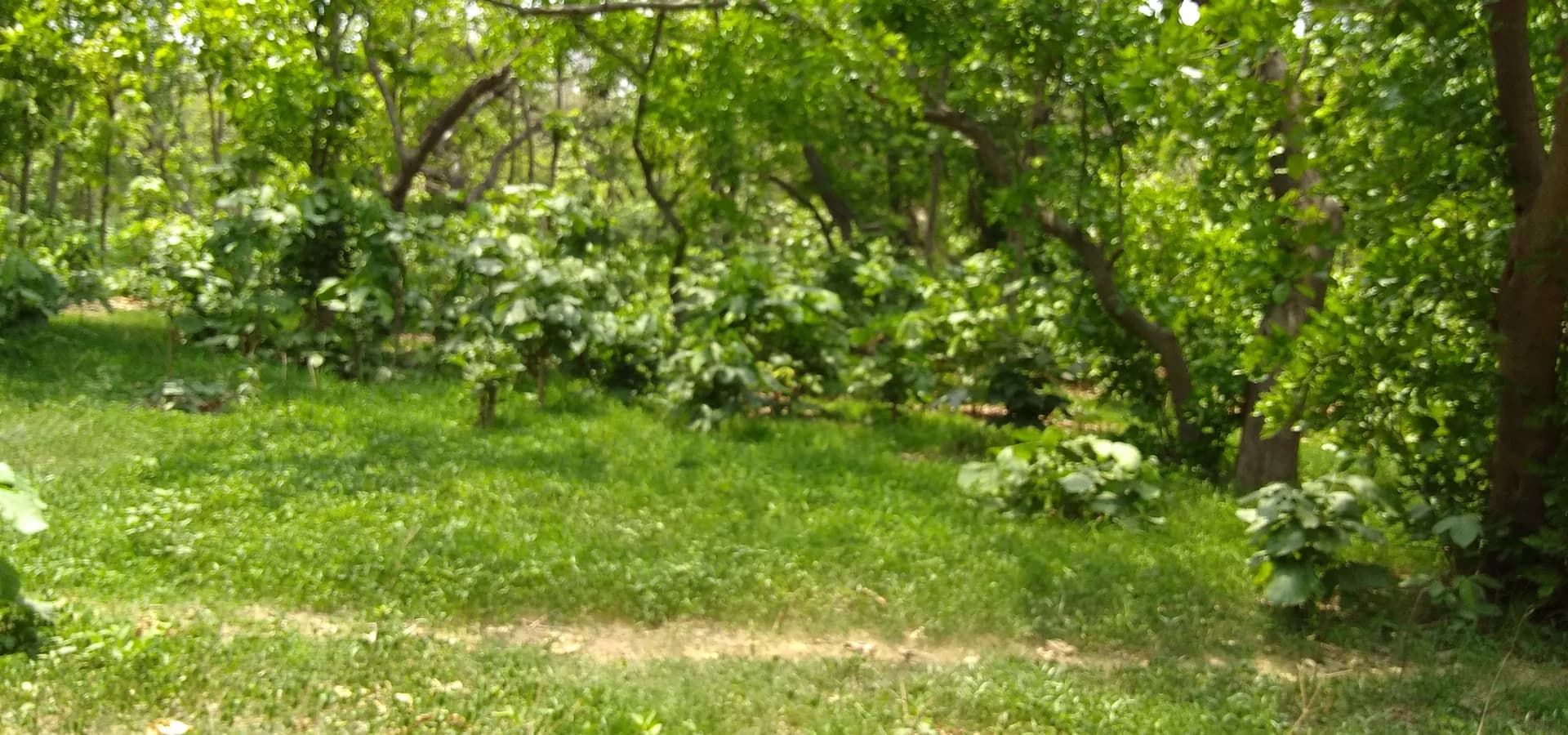
Sunlit green woodland at Jativan near Amroha, a grassy clearing under leafy trees

Mango orchards wrap around Amroha in long green rows, and the flat plain runs on with almost nothing in the way. On a still afternoon the shade is quiet enough to hear leaves drop. To the west the land opens toward the Ganga at Tigri, where wide sandbanks and a huge sky take over.

Back in town, workshops shape wood and skin into dholaks, the barrel drums the district is known for. Pilgrims gather at the dargah of Shah Wilayat, where legend says scorpions never sting. Summers are hot, monsoon rain arrives around July, and winters turn dry and cool. A Local Friend can lead you to their favorite orchard or shrine and tell you the story behind it.

Join us Become a Local Friend in Amroha

There are no Local Friends in Amroha yet, and that is where you come in.
Earn money showing off your favorite local spots and create unique experiences.
Join our community and be the first to show travelers the Amroha beyond the postcard.

Join our community

Neighborhoods to wander

  • Danishmandan

    The old quarter where Shah Wilayat lived, gathered around his dargah.

  • Tigri on the Ganga

    Quiet sandbanks most of the year, then a sea of tents and lamps at Kartik Purnima.

  • Vasudev Tirth

    A temple pond with Tulsi Park beside it, a calm green corner of town.

Through the year

  • Tigri Ganga Mela

    October or November

    Pilgrims bathe in the Ganga, float lamps and browse a riverside fair near Gajraula.

Say it like a local

Aadab arz hai

A polite Urdu greeting, said with a hand raised toward the forehead and a small bow.

Tips & Traps in Amroha

No one has shared a tip or a trap about Amroha yet. Know a great spot, or something to avoid? Be the first.

Share the first tip

Questions about Amroha

What travelers ask most before a trip to Amroha.

  • 1.

    When is the best time to visit Amroha?

    October to March is the most comfortable time to visit Amroha, with dry days and cool evenings. May and June are very hot, and the monsoon brings heavy rain from July to September. Come around November to see the Tigri Ganga Mela on the riverbank during Kartik Purnima.

  • 2.

    How many days do you need in Amroha?

    One day is enough for most visitors to Amroha. You can see the dargah of Shah Wilayat, the pond and temples of Vasudev Tirth, and the lanes where dholaks are made. Add a second day if you want to visit Tigri on the Ganga during the Kartik Purnima fair.

  • 3.

    Is Amroha district the same as Jyotiba Phule Nagar?

    Yes. The district was created in 1997 under the name Jyotiba Phule Nagar, honoring the social reformer, and was renamed Amroha district in 2012. Its headquarters has always been the city of Amroha, so older maps and documents may still show the earlier name.

  • 4.

    Do scorpions really not sting at Shah Wilayat's dargah?

    That is the legend, and devotees hold it dearly. The 13th-century saint is said to have promised that scorpions would not sting inside his shrine, and visitors let them crawl across their hands. Some locals suggest the saint knew how to remove venom, but the belief is very much alive.

Population
About 198,000Amroha city (Nagar Palika Parishad), 2011 census.
First recorded
13th centuryDelhi Sultanate posted officials here; legends reach back far older.
Climate
Humid subtropicalHot May and June, a July to September monsoon, dry and cool winters.
Drum town
Amroha dholakBarrel drums from small workshops; the district's official product.
Did you know?
Pakeezah's directorKamal Amrohi, born here in 1918, carried the town in his name.
Known for
Dholak and mangoesThe district administration bills itself as renowned for both.
Locals are called
AmrohviThe Urdu tag of origin, worn as a surname by poets like Rais Amrohvi.
Main airport
Noida International (DXN)About 116 km southwest in a straight line; reached by car or taxi.
Elevation
218 mFlat Ganga plain; the whole district varies by only about 20 m.
Area
2,470 km²Amroha district, official figure; no city area is published.
Time zone
IST, UTC+5:30No daylight saving; the clock stays the same all year.
From the capital
About 126 km from New DelhiDirect trains on the Delhi to Moradabad line take about 3 hours.
Born here
Jaun EliaUrdu poet born here in 1931, later a beloved voice in Karachi.

More cities in India

Jaipur's pink old city and the seafront of Mumbai open the door to more of India with a Local Friend.

  • Delhi

    3 Local Gurus3 Local Friends
  • Bengaluru

    2 Local Gurus1 Local Friend
  • New Delhi

    2 Local Gurus1 Local Friend
  • Ahmedabad

    0 Local Gurus2 Local Friends
  • Hyderabad

    1 Local Guru1 Local Friend

Nearby cities

  • Greater Noida 102 km
  • Ghaziabad 104 km
  • Noida 117 km
  • Delhi 124 km
  • New Delhi 125 km
  • Faridabad 125 km
See all 28 cities in India
  1. Global Community
  2. /Asia
  3. /India
  4. /Amroha

Amroha

Good to know about Amroha

Practical facts to plan your days, and the stories behind the experiences travelers search for the most.

Last reviewed October 2026

Quick facts

Best time to visit
October to MarchThe dry, cooler months; the Tigri Ganga fair falls around November.
How long to stay
1 dayEnough for the dargah, Vasudev Tirth and the dholak workshops.
Getting around
Train, then local ridesAmroha station is on the Delhi to Moradabad line; NH 9 runs about 5 km away.
Taste like a local
Dasheri mangoesAmroha's orchards grow Dasheri, Langra and Chausa for early summer.
Before you go
Kartik Purnima crowdsHuge numbers of pilgrims head to the Ganga at Tigri for the full-moon bath.

Curiosities behind the most-searched experiences

  • Shah Wilayat's dargah

    Legend says the 13th-century Sufi saint promised that scorpions would never sting at his shrine. Devotees let them walk across their palms, and a few borrow one with a promised return date, like a polite library book.

    Culture & Local Events
  • Amroha dholak workshops

    Dholak making is the district's official product, so plenty of wedding songs across India are kept in time by a drum carved and laced in Amroha. The town makes noise for a living and still stays modest about it.

    Local Shopping
  • Amroha mangoes

    One story says the town's name joins aam, mango, and rohu, a river fish. With Dasheri, Langra and Chausa trees on every side, the mango half clearly won the argument.

    Gastronomy
  • Tigri Ganga Mela

    Each Kartik Purnima a riverbank village fills with pilgrims who bathe and float lamps on the Ganga. The state now plans it as a mini Kumbh, a grand title for a place most maps barely label.

    Culture & Local Events
  • Vasudev Tirth

    Legend says Krishna bathed in this pond and set up a Shivling while traveling to marry Rukmini. Today a 51-foot Hanuman keeps watch, tall enough to spot every latecomer.

    Landmarks & Local History
  • Shah Nasruddin's dargah

    A few kilometers from Shah Wilayat, another Sufi shrine has its own legend. Lost donkeys and horses are said to turn up at its door, which makes it the town lost-and-found.

    Landmarks & Local History