
HomeGlobal CommunityTips & Traps City Guides
Login
Rent a Local Friend © 2026 - All rights reserved.
  • About us
  • RALF Manifesto
  • Our FAQ
  • Terms
  • Privacy
  • Need help? Contact us!
0Local Gurus
0Local Friends
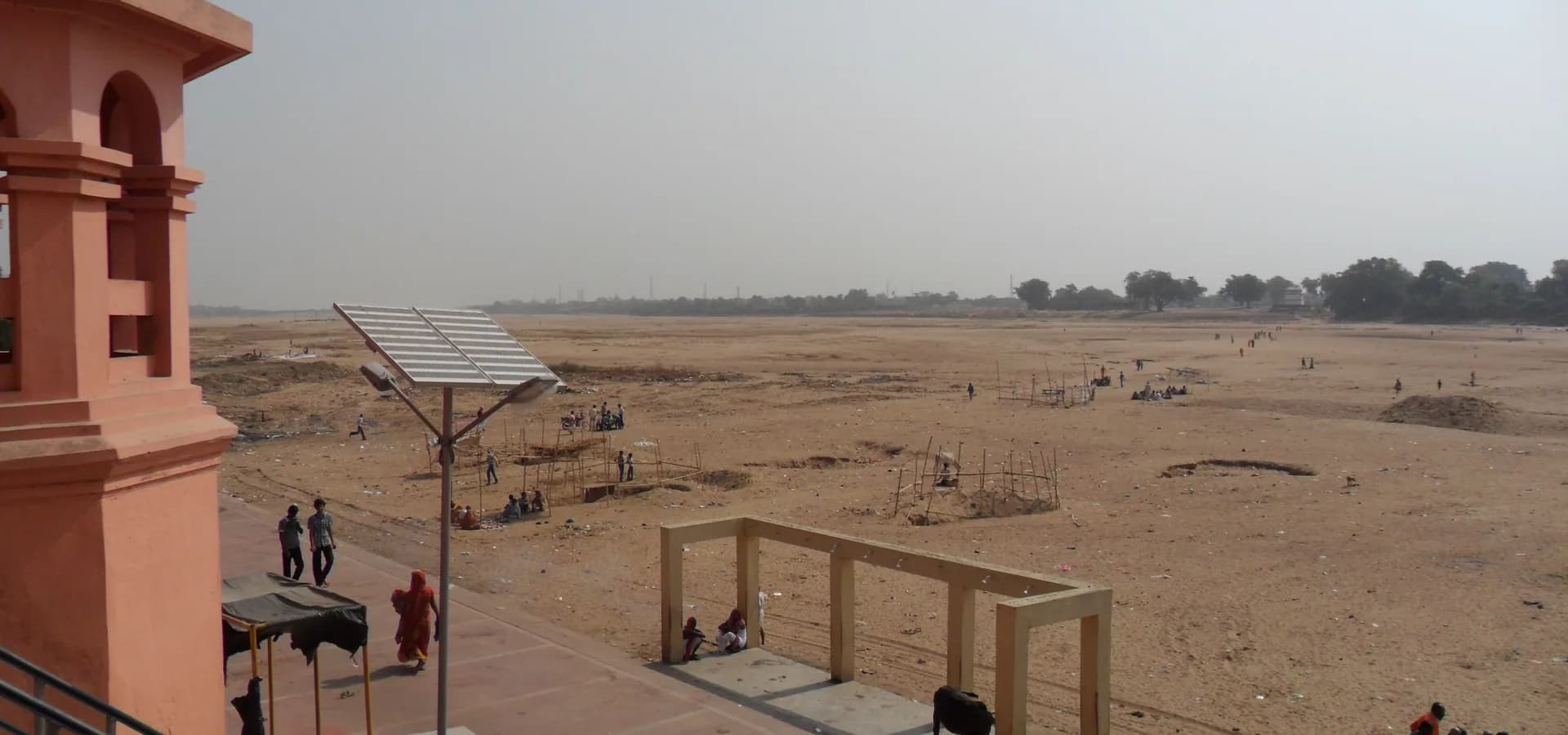
The wide, sandy bed of the Phalgu River at Gaya stretching to a line of trees, with pilgrims on the ghat

Sand stretches almost bank to bank where the Phalgu passes Gaya, and for most of the year the river hides beneath it. Legend blames a curse from Sita. Above the stone steps stands the Vishnupad Temple, built around a footprint in rock, and families walk down to the riverbed to offer pind daan.

Rocky hills ring the city, and Brahmayoni Hill repays a steep climb with a view over the rooftops. In winter, Ramna Road echoes with tilkut makers pounding sesame. Summers are fierce, the monsoon fills the Phalgu, and winters stay mild and clear. A Local Friend can turn your list of temples, hills and sweet shops into one day that flows.

Neighborhoods to wander

  • Vishnupad and the ghats

    Temple lanes full of pilgrims, with stone steps dropping to the sandy Phalgu bed.

  • Ramna Road

    Sweet shops stacked with tilkut boxes, and winter queues spilling onto the pavement.

  • Tekari Road

    One of the busiest streets in town, with shops, traffic and its own tilkut counters.

Through the year

  • Pitripaksha Mela

    September or October

    Pilgrims gather on the Phalgu banks and at the vedis to offer pind daan for ancestors.

  • Makar Sankranti tilkut season

    Mid-January

    Tilkut makers work flat out and sweet-shop queues stretch along Ramna and Tekari Road.

Say it like a local

Pind daan

Offering rice balls to ancestors, the rite that brings most pilgrims to Gaya.

Tips & Traps in Gaya

No one has shared a tip or a trap about Gaya yet. Know a great spot, or something to avoid? Be the first.

Share the first tip

Questions about Gaya

What travelers ask most before a trip to Gaya.

  • 1.

    When is the best time to visit Gaya?

    October to March is the most comfortable time, with dry, mild days and clear views from the hills. April to June is very hot, and the monsoon arrives in July. Pitripaksha falls in September or October, when pilgrims fill the riverbank and the city is at its busiest.

  • 2.

    How many days do you need in Gaya?

    One to two days covers Gaya itself: the Vishnupad Temple and the Phalgu ghats, the climb up Brahmayoni Hill, Mangla Gauri and a tilkut stop on Ramna Road. Add a day for Bodh Gaya to the south, and another for the Barabar Caves to the north.

  • 3.

    What is the difference between Gaya and Bodh Gaya?

    They are two separate towns a short drive apart. Gaya is the older city on the Phalgu, a Hindu pilgrimage center known for the Vishnupad Temple and pind daan rites. Bodh Gaya, to the south, is where the Buddha attained enlightenment and is home to the Mahabodhi Temple.

  • 4.

    Why is the Phalgu River dry in Gaya?

    The Phalgu only looks dry. For most of the year its water flows beneath a wide bed of sand, and digging a small hole brings it up. Monsoon floods fill the river from bank to bank, and the Gayaji Dam now keeps water near the Vishnupad Temple all year.

Population
About 474,000Gaya city, 2011 Census of India.
First recorded
6th century BCELegend names it after the demon Gayasura, pinned below by Vishnu.
Climate
Humid subtropicalScorching April to June, monsoon rain July to September, mild winters.
Longest rubber dam
Gayaji Dam, 411 mIndia's longest; it holds water in the Phalgu below Vishnupad.
Did you know?
Fire Sermon hillBuddha preached it on Brahmayoni; T. S. Eliot borrowed the title.
Known as
Gaya JiThe respectful name locals use, approved as official by Bihar in 2025.
On the street
Magahi and HindiMagahi is the everyday language of the old Magadh region.
Main airport
Gaya Airport (GAY)About 12 km southwest of the center; taxis and autos run into town.
Elevation
About 111 mA low basin ringed by rocky hills that soak up the summer heat.
Area
About 50 km²Gaya Municipal Corporation; some databases list 90 km².
Time zone
IST, UTC+5:30India Standard Time all year; no daylight saving.
From the capital
About 880 km from New DelhiOvernight by express train on the Grand Chord line, or fly direct.
Born here
Lilliput (M. M. Faruqui)Actor and writer remembered for the TV series Vikram Vetaal.
  1. Global Community
  2. /Asia
  3. /India
  4. /Gaya

Gaya

Join us Become a Local Friend in Gaya

There are no Local Friends in Gaya yet, and that is where you come in.
Earn money showing off your favorite local spots and create unique experiences.
Join our community and be the first to show travelers the Gaya beyond the postcard.

Join our community

More cities in India

Jaipur's pink old city and the seafront of Mumbai open the door to more of India with a Local Friend.

  • Delhi

    3 Local Gurus3 Local Friends
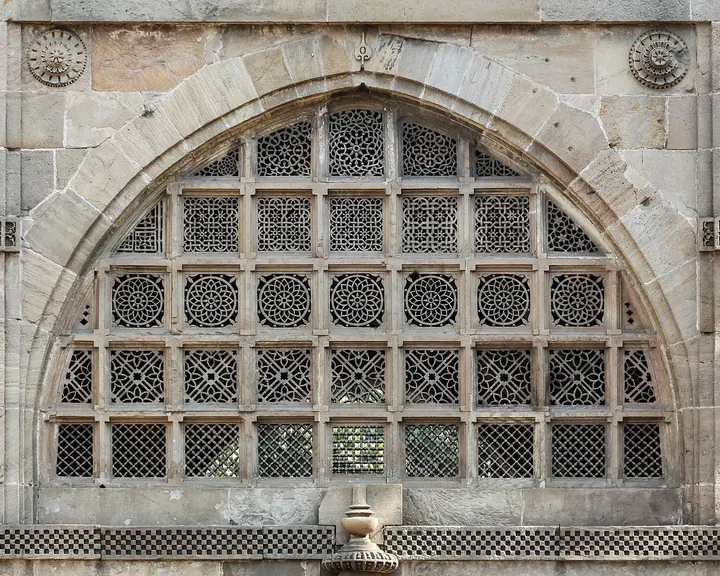
  • Ahmedabad

    0 Local Gurus3 Local Friends
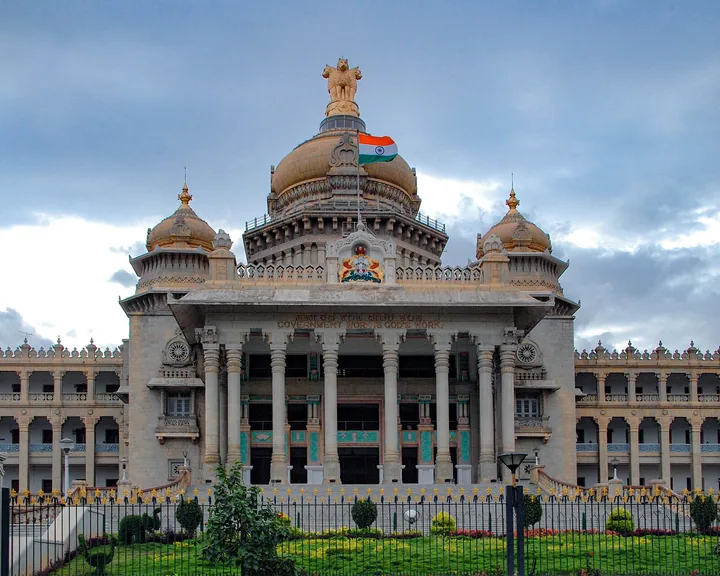
  • Bengaluru

    2 Local Gurus1 Local Friend
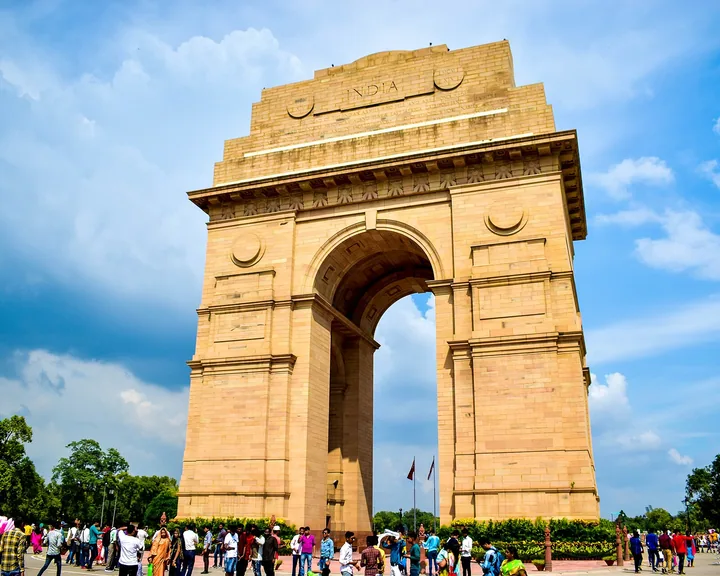
  • New Delhi

    2 Local Gurus1 Local Friend
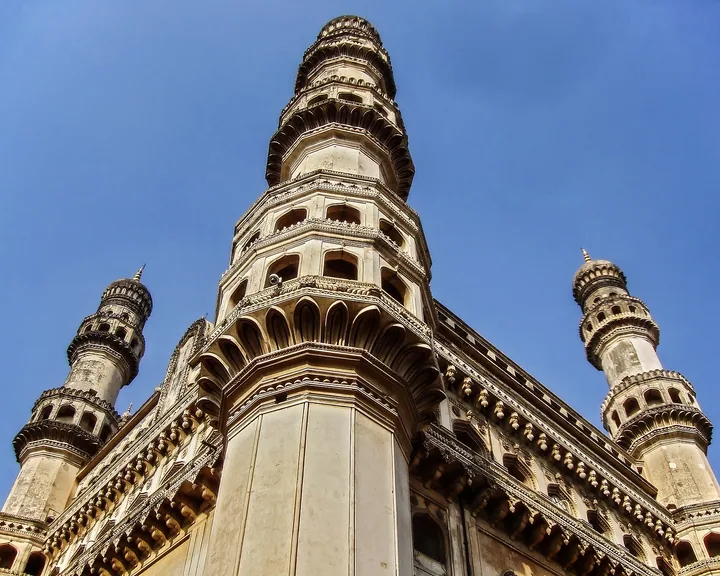
  • Hyderabad

    1 Local Guru1 Local Friend

Nearby cities

  • Bihar Sharif 69 km
  • Patna 71 km
  • Hazaribagh 97 km
  • Hajipur 101 km
  • Samastipur 140 km
  • Ballia 143 km
See all 28 cities in India

Good to know about Gaya

Practical facts to plan your days, and the stories behind the experiences travelers search for the most.

Last reviewed October 2026

Quick facts

Best time to visit
October to MarchCool, dry days; Pitripaksha brings huge crowds in September or October.
How long to stay
1 to 2 daysEnough for the river, the temples and the hills; add a day for Bodh Gaya.
Getting around
Autos and taxisAuto-rickshaws cover most routes; taxis handle trips out to Bodh Gaya.
Taste like a local
TilkutDiscs of pounded sesame with jaggery or sugar, made fresh in winter.
Before you go
Pitripaksha fills the cityFor about 16 days in September or October, rooms and roads get busy.

Curiosities behind the most-searched experiences

  • Vishnupad Temple

    Inside is a 40 cm footprint in stone, said to mark where Vishnu pressed the demon Gayasura underground. Legend says the city took its name from the demon, so Gaya is named after the one who lost.

    Landmarks & Local History
  • Gaya tilkut

    Makers on Ramna Road pound sesame with jaggery or sugar into crisp discs. The sweet is so old that Buddhist texts mention it as palala, so the recipe has had plenty of time to practice.

    Gastronomy
  • Brahmayoni Hill

    Some 424 stone steps climb to the hilltop temple. From the top, Gaya looks as if it was set into a bowl of rocky hills, with the sandy Phalgu running along the rim.

    Art, Photography & Writing
  • Barabar Caves

    About 24 km north, these granite caves were carved in Mauryan times and polished so smooth that they echo every whisper. E. M. Forster turned them into the Marabar Caves of A Passage to India.

    Landmarks & Local History
  • Pitripaksha Mela

    Each autumn, pilgrims from across India come to offer pind daan at dozens of sacred altars called vedis. For two weeks, a riverbed that looks empty for months has hardly any room left.

    Culture & Local Events
  • Mangla Gauri Temple

    This hilltop shrine is counted among the 18 Maha Shakti Peethas, and the present temple dates to the 15th century. Kali, Ganesha, Hanuman and Shiva have shrines up there too, so one climb covers a lot of ground.

    Landmarks & Local History