Join RALF to share your own tips and traps
Tips & Traps
Insider advice from Local Friends and travelers. What to do, and what to avoid, city by city.
- TipA place or a move worth it
- TrapWhat to avoid, and how
- Every post is checked before it goes live
Insider advice from Local Friends and travelers. What to do, and what to avoid, city by city.
Join RALF to share your own tips and traps
New this weekPicks from our Local GurusCommunity picksrefreshed every Monday
Share a tip, or warn travelers about a trap. Every post makes your profile easier to find.
New postIn the rainy months the tracks around Kakamega Forest turn to slippery mud, and the forest paths are narrow, wet and uneven. A 4x4 helps on the access roads, and cars are not allowed inside the national reserve except on the roads to the Buyangu settlements, so expect to walk. Rains peak in April and May, with fog in…
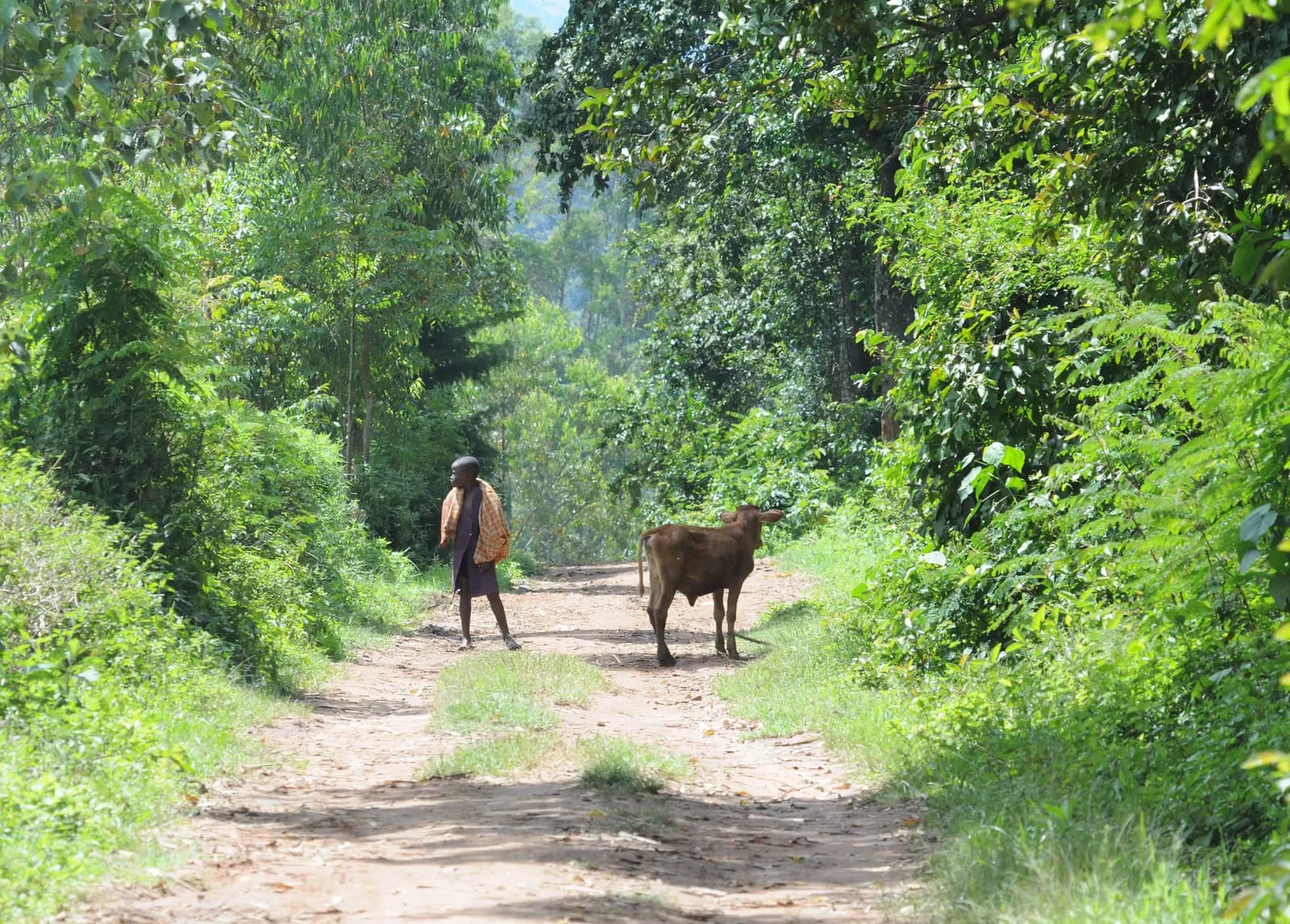
Kakamega Forest has two main entry points run by different bodies: Buyangu on the north side is KWS, and Isecheno in the south is run by the Kenya Forest Service. Fee lists in older guides disagree with the current KWS page, so use the KWS site for the KWS side and ask at Isecheno what applies there. Always get a…
Many guides still list the giant Mama Mutere tree as a must-see in Kakamega Forest, but it fell in 2014 after its roots rotted. Only the fallen trunk remains, and the forest officials said locals may visit to pay their respects without disturbing the ecosystem. If you still want to see it, ask the guide at Isecheno…
Isukha and Idakho potters in Ilesi make earthenware by hand, and the centre sits just off the main Kisumu road about six kilometres from town. You can watch them work and buy practical pots or decorative pieces straight from the people who made them. Stop on your way to or from the Crying Stone, which is a short walk…
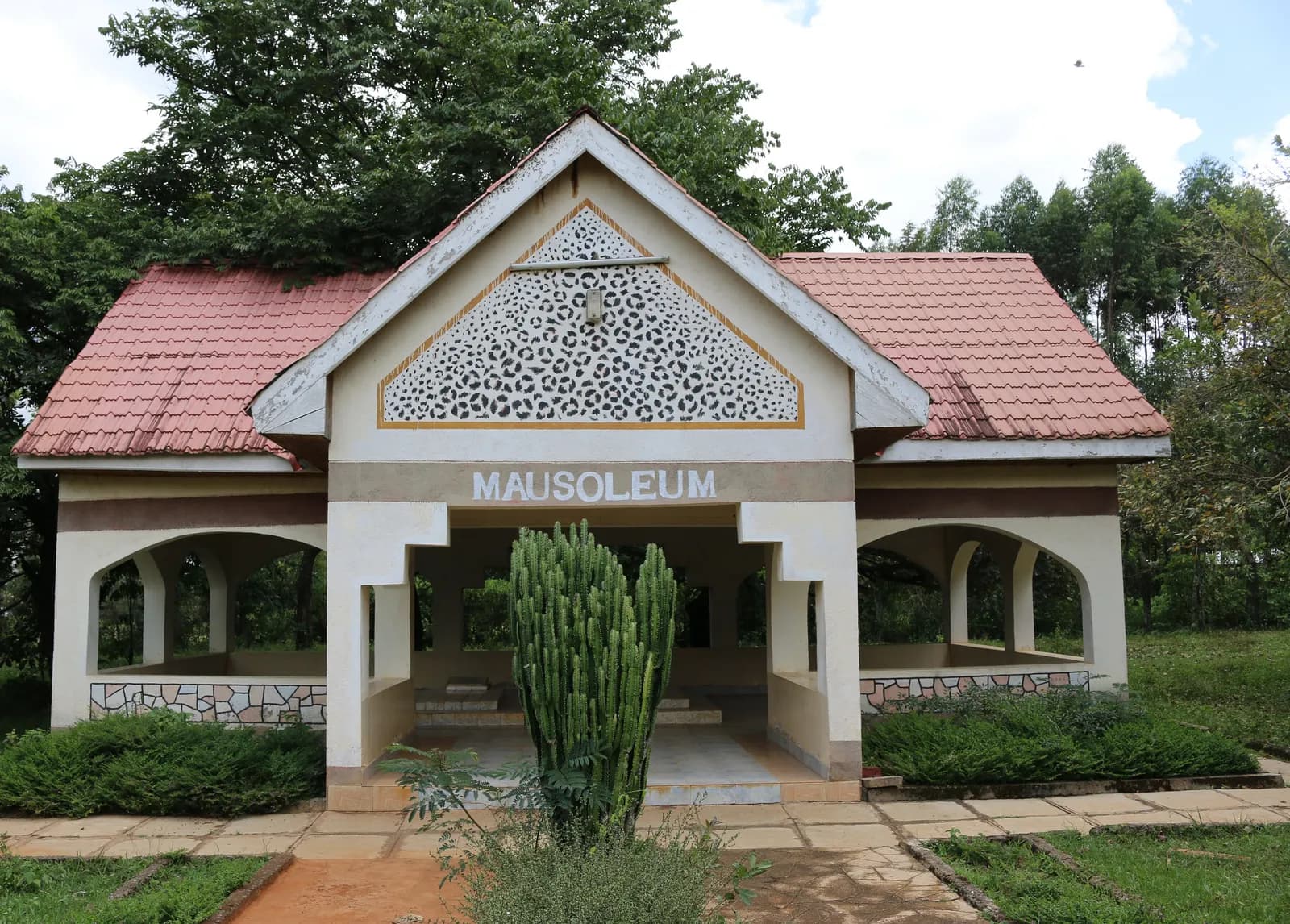
The Nabongo Cultural Centre near Mumias tells the story of the Wanga kings, with a museum of royal regalia, a mausoleum and a traditional Luhya homestead. Mumias is about 37 km from Kakamega, so matatus run there in under an hour, and a boda ride from town takes you the last stretch. Ask for the centre by name, since…
Night walks in Kakamega Forest are listed as a way to meet bats, frogs and night birds, and one visitor account says a night tour would show more of the forest's animals than a day walk. Ask the guides at the Isecheno station to arrange one and agree the route and finish time beforehand. Bring a headlamp, closed shoes…
Buyangu Hill is the shorter, easier viewpoint in Kakamega Forest, with a wide view over the rolling treetops. It lies on the northern side of the reserve, the side managed by KWS, and is a gentler alternative to the longer hill hikes. Go early, when the light is soft and the walk is cool, and keep time for birds on…
Isiukhu Falls drops over rocks into a calm pool deep in Kakamega Forest, and the trail to it is one of the reserve's classic walks. Hire a guide at the Isecheno entrance, who will name the turacos, monkeys and butterflies on the way. The falls run fullest in and just after the long rains, but the path is slippery…
Isukuti Guest House and Udo's Bandas sit at the edge of Kakamega Forest, with simple hut-style rooms, and Udo and Biota have public campsites. You wake up beside the trails instead of driving 18 km from town, which makes sunrise walks easy. Ask the host about meals and a forest guide when you book, and bring insect…
Rondo Retreat Centre is one of the few places to sleep right in the Kakamega Forest area, and birders have used it as a base for years. Staying here puts you near the Isecheno trails before the first day trippers arrive from town. Book directly with the centre ahead of your trip, since it works as a retreat first and…
Showing 10 of 10
10 posts foundnewest first