
HomeGlobal CommunityTips & Traps City Guides
Login
Rent a Local Friend © 2026 - All rights reserved.
  • About us
  • RALF Manifesto
  • Our FAQ
  • Terms
  • Privacy
  • Need help? Contact us!
3Local Gurus
7Local Friends
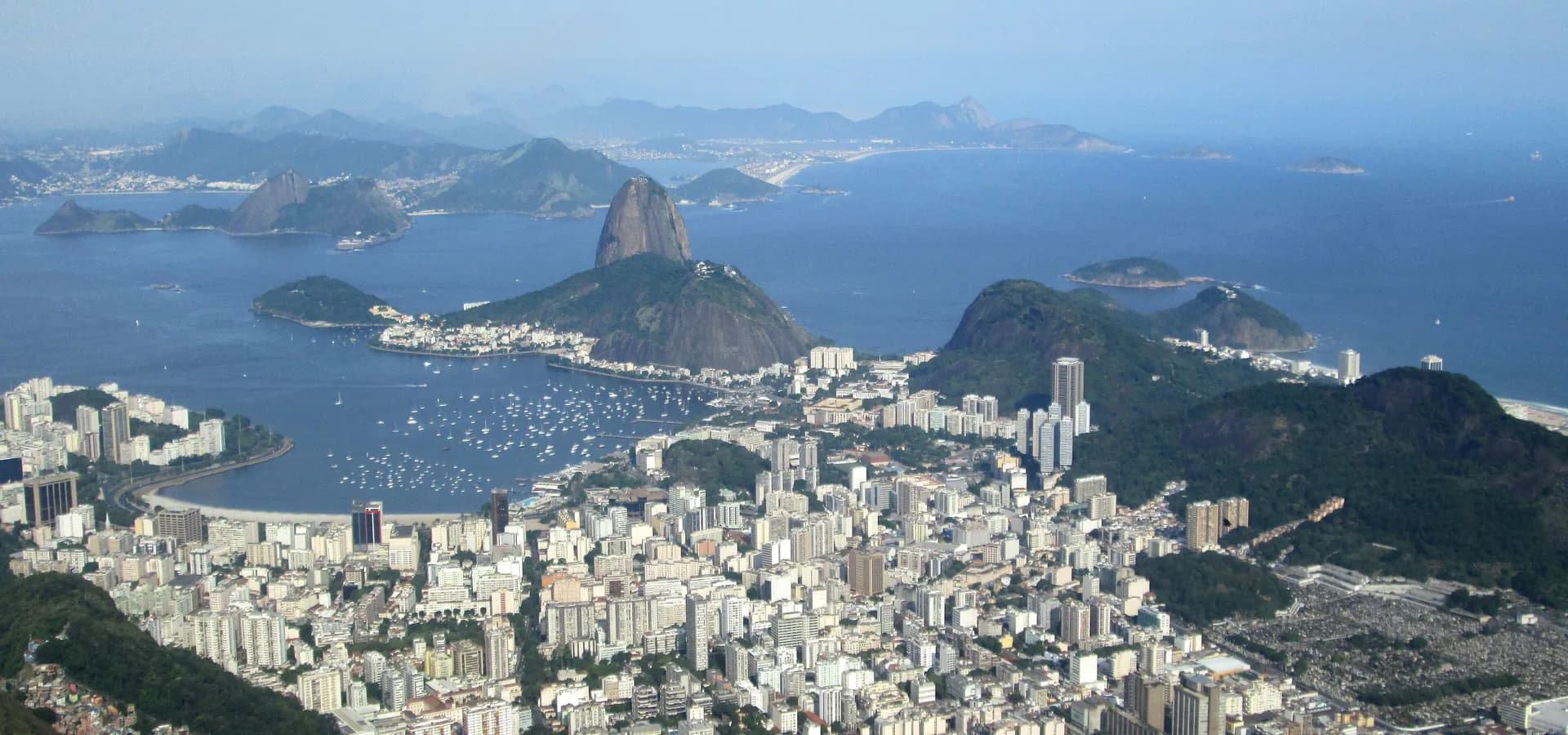
Aerial view over Botafogo, a bay full of boats and Sugarloaf Mountain rising from Guanabara Bay
  1. Global Community
  2. /South America
  3. /Brazil
  4. /Rio de Janeiro

Rio de Janeiro

A yellow tram rattles across the white arches of an old aqueduct on its climb to Santa Teresa, while glass cable cars swing up toward Sugarloaf above a bay full of sailboats. Ferries slide across the water to Niterói, and cyclists, runners and skaters share the wave-patterned promenade of Copacabana.

Away from the sand, cariocas hike shady trails in the Tijuca Forest and meet friends at corner bars that spill onto the sidewalk. Summers are hot, humid and stormy, and winters stay warm and sunny with far less rain. A Local Friend keeps the plan loose, so a sudden shower can turn a beach afternoon into an evening of live samba in Lapa.

Heading to Rio de Janeiro? Get offers from locals.

Share your trip dates and get direct offers from the Local Friends here.

1 Local Friend active in the last week

Population
6.2 millionRio de Janeiro municipality, 2022 IBGE census.
Founded
1565Founded by Estácio de Sá as São Sebastião do Rio de Janeiro.
Climate
Tropical savanna (Aw)Hot, stormy summers, December to March; warm, sunny, drier winters.
Christ on Corcovado
30 m statue, 28 m armsArt Deco Christ the Redeemer, dedicated in 1931, above the city.
Did you know?
Once Portugal's capitalThe Portuguese court ruled its empire from Rio between 1808 and 1821.
Known as
Cidade Maravilhosa'Marvelous City', also the name of Rio's official anthem.
Locals are called
CariocasThe word also covers anything from Rio, from the accent to the slang.
Main airport
Galeão-Tom Jobim Intl (GIG)About 20 km north of downtown; taxis, ride-hailing and BRT buses.
Elevation
About 12 mBeaches sit at sea level while forested peaks rise past 1,000 m.
Area
1,200 km²Rio de Janeiro municipality, IBGE 2022 territorial area.
Time zone
BRT, UTC-3Brasília Time all year; Brazil dropped daylight saving in 2019.
From the capital
About 930 km from BrasíliaJust under 2 hours by plane; the drive takes around 16 hours.
Born here
Tom JobimBossa nova composer of 'The Girl from Ipanema', born in Tijuca.

Local Friends in Rio de Janeiro

Cariocas who know which tram, ferry or trail fits the day, and where the samba starts after dark.

  • Local Guru

    Tayane

    Rio de Janeiro, Brazil
  • Local Guru

    Karina

    Rio de Janeiro, Brazil
  • Local Guru

    Mario

    Rio de Janeiro, Brazil
  • Anne

    Rio de Janeiro, Brazil
  • Cristina

    Active this week
    Rio de Janeiro, Brazil
  • Zema

    Rio de Janeiro, Brazil
  • Paulo

    Rio de Janeiro, Brazil
  • Eman

    Rio de Janeiro, Brazil
  • Cíntia

    Rio de Janeiro, Brazil
  • Rodrigo

    Rio de Janeiro, Brazil

Become a Local Friend in Rio de Janeiro

Live in Rio de Janeiro? Earn money showing travelers your favorite local spots and create unique experiences.

Join our community

Good to know about Rio de Janeiro

Practical facts to plan your days, and the stories behind the experiences travelers search for the most.

Last reviewed October 2026

Quick facts

Best time to visit
May to OctoberWarm, sunnier and drier; December to March is hotter, stormier and busier.
How long to stay
4 to 5 daysTime for Christ, Sugarloaf, the beaches, Santa Teresa and the Tijuca Forest.
Getting around
Metro, buses, bikes, ferriesMetro and BRT cover long hops, light rail runs downtown, ferries cross the bay.
Taste like a local
Biscoito Globo and mateAiry manioc rings and iced mate, sold by vendors walking the sand.
Before you go
Carnival dates move yearlyIt follows the date of Easter, so it lands in February or early March.

Curiosities behind the most-searched experiences

  • Sugarloaf Cable Car

    Brazil's first cable car opened here in 1912, linking Praia Vermelha, Urca Hill and Sugarloaf. The ride still comes in two short hops, so the famous view arrives in two installments.

    Art, Photography & Writing
  • Selarón Steps

    Jorge Selarón began tiling the steps outside his house in 1990 in the colors of the Brazilian flag, and his neighbors teased him. Visitors later brought him tiles from more than 60 countries.

    Culture & Local Events
  • Maracanã Stadium

    Built for the 1950 World Cup, the stadium hosted a deciding match watched by an official 173,850 people, and maybe over 200,000. Uruguay won, and Brazilians still call that day the Maracanazo.

    Sports & Outdoors
  • Tijuca Forest

    The forest was replanted from 1861, after coffee farms had stripped the slopes. Major Archer's small crew put in about 100,000 seedlings in 13 years, and the trees took it from there.

    Wellness & Nature
  • Copacabana promenade

    The black-and-white wave pavement borrows a design from Lisbon's Rossio Square. When Roberto Burle Marx rebuilt it in 1970, he made the waves wider, as if the sea had leaned in.

    Art, Photography & Writing
  • Santa Teresa Tram

    Electric trams have climbed to Santa Teresa since 1896, and the track gauge was changed so the cars could ride on top of an old aqueduct. A water channel became a bridge with a view.

    Landmarks & Local History

Neighborhoods to wander

  • Santa Teresa

    Hilltop lanes of old mansions, artists' studios and small bars along the tram tracks.

  • Lapa

    Samba, choro and forró in old townhouses beneath the white arches of the aqueduct.

  • Botafogo

    Busy bars and restaurants beside a calm bay with a front-row view of Sugarloaf.

  • Leblon

    Leafy streets, beach kiosks and the restaurants and bars of Rua Dias Ferreira.

Through the year

  • Rio Carnival

    February or early March

    Samba schools parade at the Sambadrome while street blocos take over the neighborhoods.

  • New Year's Eve on Copacabana

    December 31

    Crowds dressed in white fill the beach for free concerts and fireworks over the sea.

Say it like a local

Coé?

Carioca shorthand for 'Qual é?', a casual 'What's up?' between friends.

Questions about Rio de Janeiro

What travelers ask most before a trip to Rio de Janeiro.

  • 1.

    When is the best time to visit Rio de Janeiro?

    May to October is the most comfortable stretch, with warm, sunny days and less rain. December to March brings the hottest weather, heavy afternoon storms and the busiest beaches. Carnival falls in February or early March, and New Year's Eve on Copacabana draws huge crowds to the sand.

  • 2.

    How many days do you need in Rio de Janeiro?

    Four to five days is a good start. That covers Christ the Redeemer and Sugarloaf, a beach day in Copacabana or Ipanema, the tram and lanes of Santa Teresa, and a hike in the Tijuca Forest. Add a ferry ride to Niterói or a day trip to Petrópolis if you have more time.

  • 3.

    What is the difference between Sugarloaf and Corcovado?

    They are two different peaks. Corcovado is the taller, forested mountain topped by the Christ the Redeemer statue. Sugarloaf is the rounded granite peak at the mouth of Guanabara Bay, reached by two cable cars via Urca Hill. Each one gives a great view of the other.

  • 4.

    Is Rio de Janeiro the capital of Brazil?

    No. Brasília has been the capital since 1960. Rio held the role for nearly two centuries before that, from 1763, and between 1808 and 1821 it was even the seat of the Portuguese royal court, the only time a European empire was ruled from the Americas.

More cities in Brazil

From the beaches of Rio de Janeiro to the Amazon rainforest, keep exploring Brazil with a Local Friend.

  • São Paulo

    4 Local Gurus12 Local Friends
  • Belém

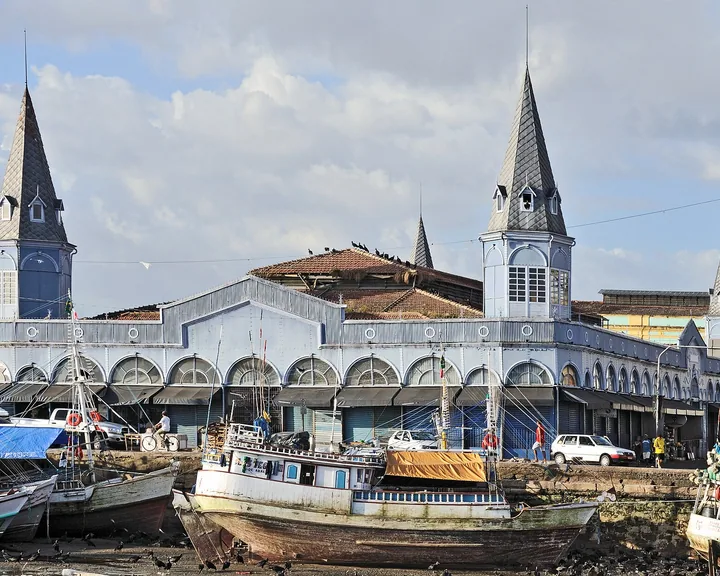
    3 Local Gurus1 Local Friend
  • Curitiba

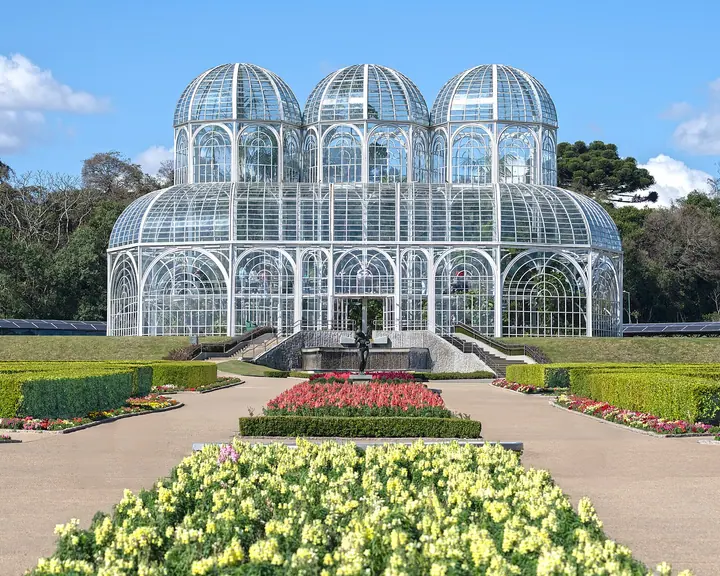
    2 Local Gurus2 Local Friends
  • Fortaleza

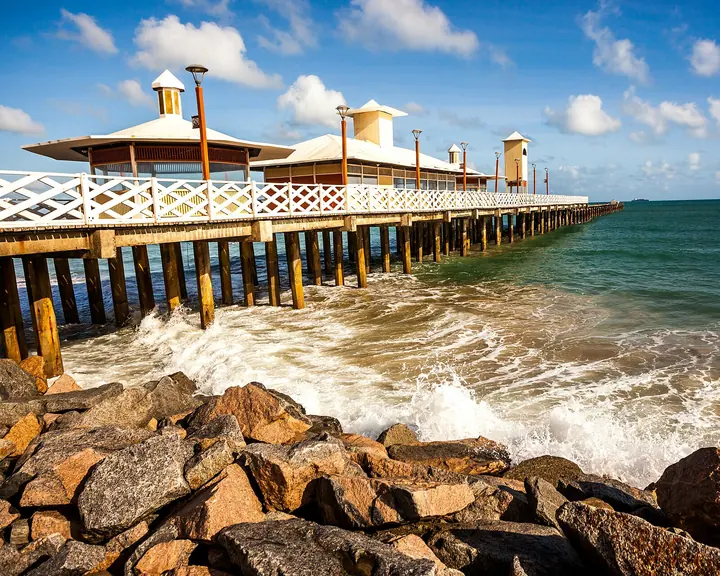
    0 Local Gurus3 Local Friends
  • Brasília

    0 Local Gurus2 Local Friends

Nearby cities

  • Nova Iguaçu 22 km
  • Niterói 25 km
  • Petrópolis 62 km
  • Angra dos Reis 102 km
  • Juiz de Fora 129 km
  • Armação dos Búzios 147 km
See all 13 cities in Brazil

Tips & Traps in Rio de Janeiro

Insider advice from Local Friends in Rio de Janeiro: what to do, and what to avoid.

Stay in Leme for a calmer base beside Copacabana
Tip
Sleep

Stay in Leme for a calmer base beside Copacabana

Rio de Janeiro, Brazil

Leme is the quieter, more residential end of Copacabana, a good base if you want the beach and the south zone without the constant noise. Guides describe Copacabana itself as lively day and night, and Leme as the calmer option, popular with families. Ask about street noise and…

Copacabana Palace, a landmark stay with a story
Tip
Sleep

Copacabana Palace, a landmark stay with a story

Rio de Janeiro, Brazil

Copacabana Palace opened in August 1923, designed by the French architect Joseph Gire, and is listed as heritage at federal, state and city level. Its past includes a casino that later became a show venue, and a pool added in 1934. The hotel's own page says the Pool Wing, spa…

Celebrate São Jorge on April 23 in Quintino or Centro
Tip
Events

Celebrate São Jorge on April 23 in Quintino or Centro

Rio de Janeiro, Brazil

April 23 is a state holiday in Rio for São Jorge, and the biggest celebration is at the Igreja Matriz de São Jorge in Quintino, with fireworks at dawn and masses through the day. In Centro, the church on Praça da República beside Campo de Santana holds masses and is easy to…

Follow the São Sebastião procession on January 20
Tip
Events

Follow the São Sebastião procession on January 20

Rio de Janeiro, Brazil

Every 20 January Rio celebrates São Sebastião, its patron saint, as a local holiday. In the afternoon a procession walks about five kilometres from the basilica in Tijuca to the Metropolitan Cathedral downtown, a route recognised as city cultural heritage in 2014. It ends with…

Samba in a circle at Bip Bip, a tiny Copacabana bar
Tip
Music & Nightlife

Samba in a circle at Bip Bip, a tiny Copacabana bar

Rio de Janeiro, Brazil

Bip Bip is a tiny bar in Copacabana where musicians play samba in a circle with no stage, and the regular rodas are on Thursday and Sunday evenings. Arrive early, because the room is very small. Keep quiet while the music plays, as chatting over the songs is frowned upon, and…

Haggle in Saara, Rio's open-air shopping district
Tip
Shop

Haggle in Saara, Rio's open-air shopping district

Rio de Janeiro, Brazil

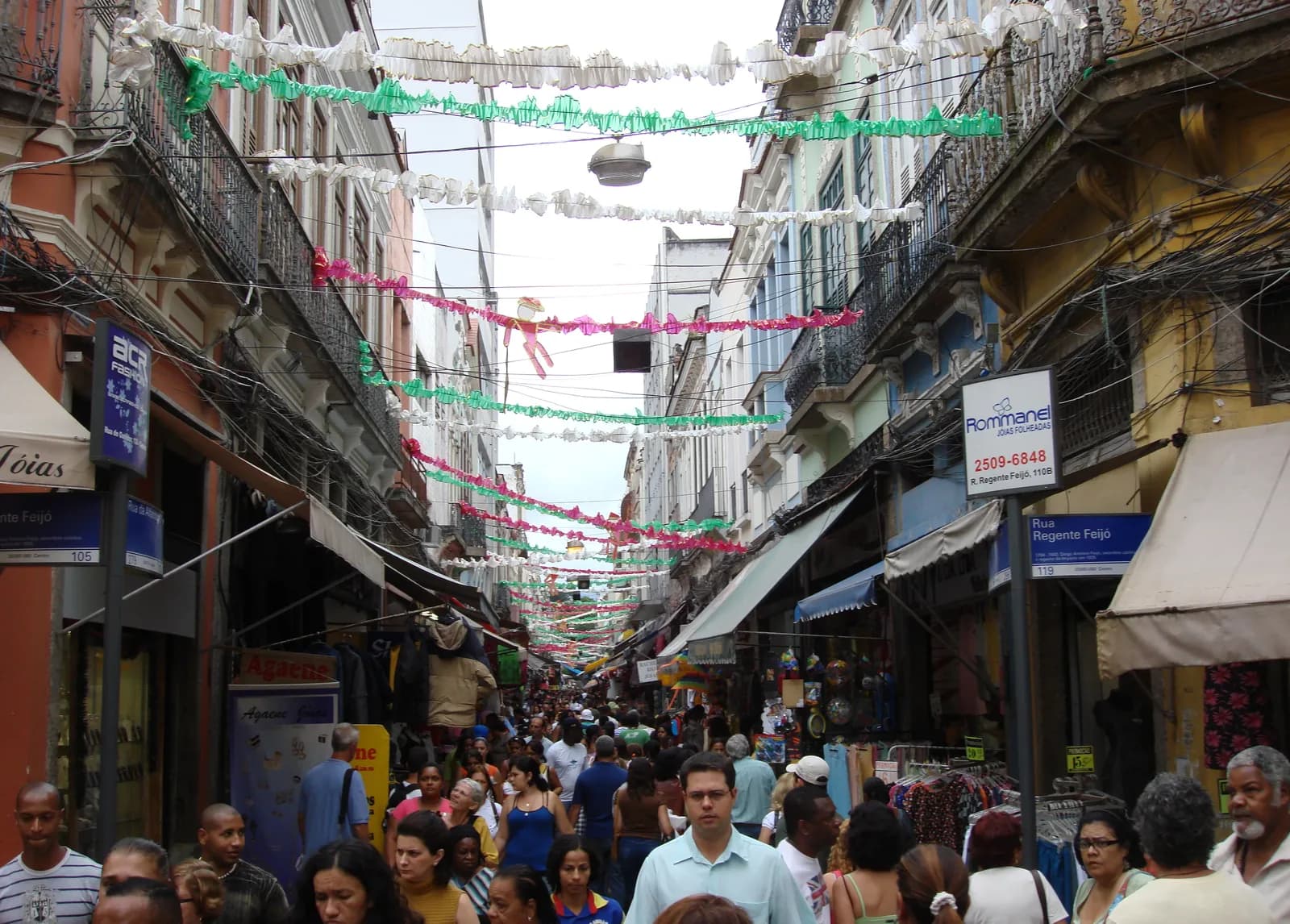
Saara is a maze of downtown streets around Rua da Alfândega, Senhor dos Passos, Buenos Aires and Andradas, packed with small shops. It works best for home goods, toys, costume jewellery and party or carnival supplies, and bargaining is part of the game. The Uruguaiana metro…

Monday samba on the Pedra do Sal steps
Tip
Music & Nightlife

Monday samba on the Pedra do Sal steps

Rio de Janeiro, Brazil

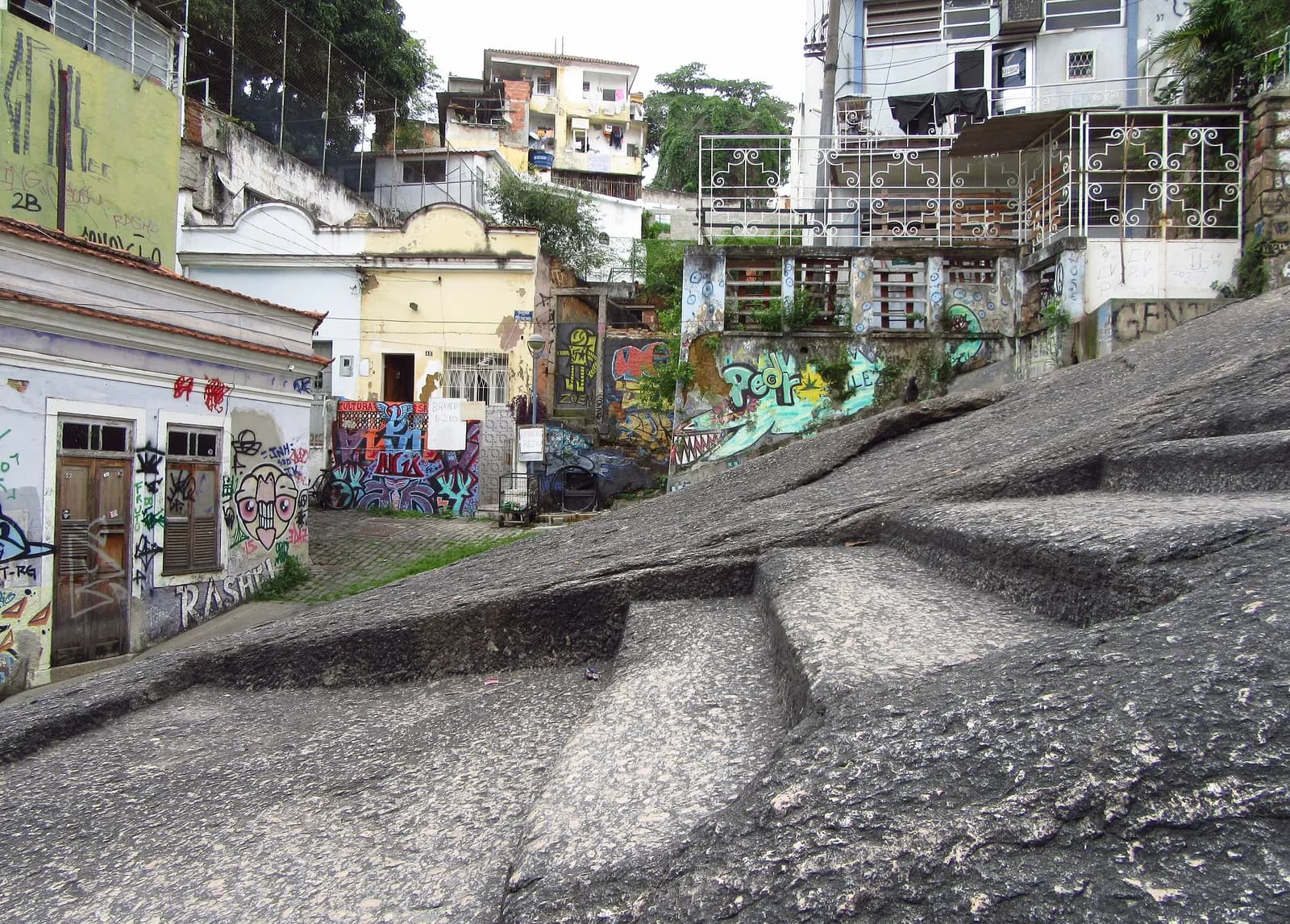
On Mondays the old stone steps of Pedra do Sal in Saúde fill with a free open-air samba roda that draws locals and visitors. It is a listed monument tied to Pequena África, where freed people kept their music and dance alive after Abolition. Come in the early evening, grab a…

Browse the Feira Hippie de Ipanema on a Sunday
Tip
Shop

Browse the Feira Hippie de Ipanema on a Sunday

Rio de Janeiro, Brazil

Every Sunday Praça General Osório fills with the Feira Hippie, running since 1968 and recognised as part of Rio's intangible heritage. Dozens of stalls sell crafts in glass, ceramic, wood, silver, seeds, fabric and resin, which makes it a good place for small souvenirs. Go after…

Vista Chinesa, a pagoda lookout in Tijuca National Park
Tip
Photography & Views

Vista Chinesa, a pagoda lookout in Tijuca National Park

Rio de Janeiro, Brazil

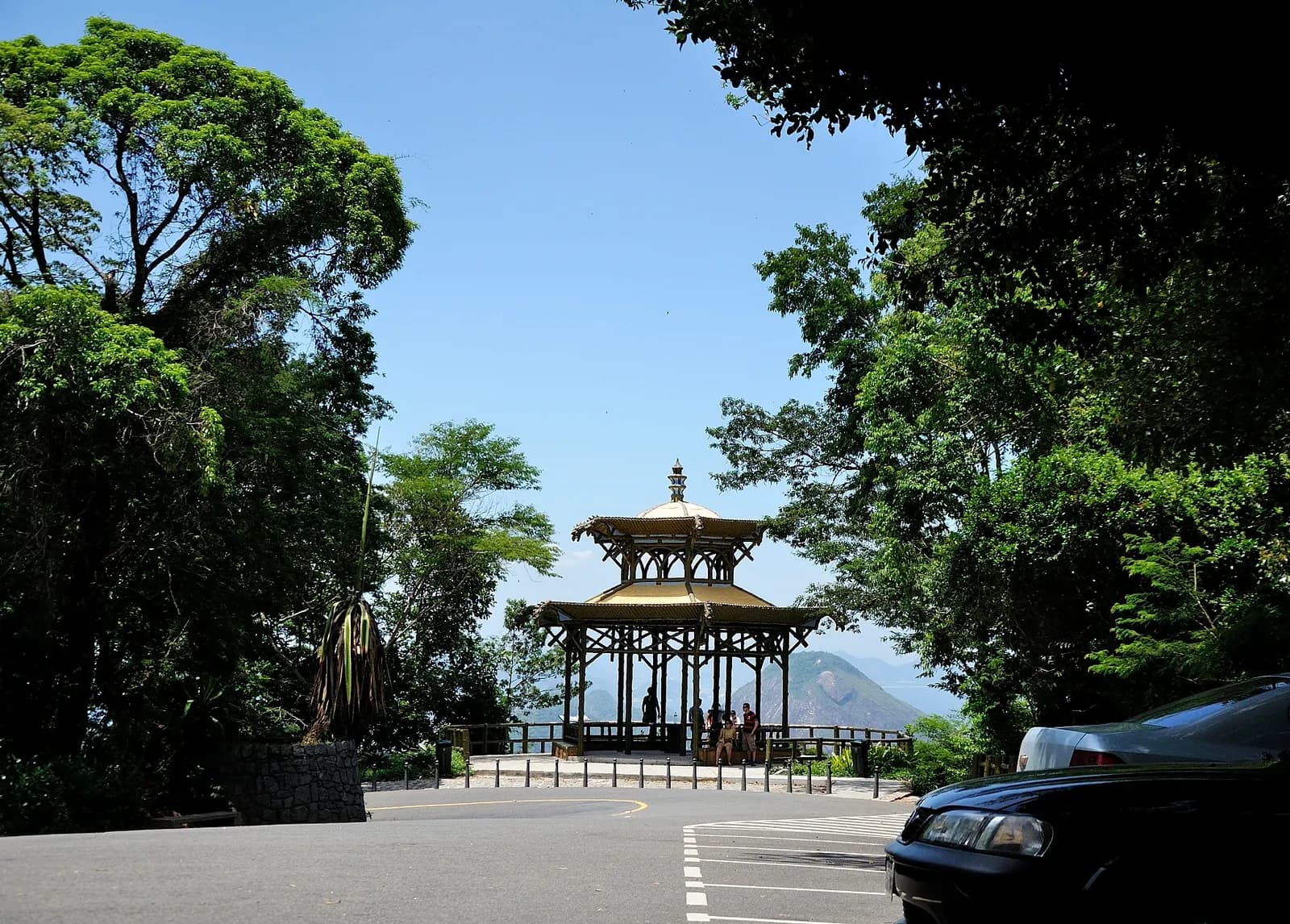
Vista Chinesa is an oriental-style pagoda lookout built in the early 1900s inside Tijuca National Park, with views of Sugarloaf, the lagoon and the Zona Sul coastline. There is parking beside it, and most visitors arrive by car, taxi or bicycle rather than public transport. Pick…

Claim a rock at Arpoador before the sunset applause
Tip
Photography & Views

Claim a rock at Arpoador before the sunset applause

Rio de Janeiro, Brazil

At Arpoador the whole beach turns to face the sea, and people on the rock clap when the sun finally drops. Arrive at least 40 minutes before sunset, especially from April to September, because the rock fills up. Wear shoes with grip for the quick climb and keep away from the wet…

Cais do Valongo, a UNESCO wharf of memory
Tip
Art & Culture

Cais do Valongo, a UNESCO wharf of memory

Rio de Janeiro, Brazil

Cais do Valongo in Gamboa was the main landing point for enslaved Africans arriving in Rio, and it became a UNESCO World Heritage Site in 2017. The stones were rediscovered in 2011 during port works, and signs and panels were added in late 2023. Pair it with the nearby Instituto…

Parque Lage: the palace is closed, the gardens are open
Trap
Art & Culture

Parque Lage: the palace is closed, the gardens are open

Rio de Janeiro, Brazil

The Parque Lage mansion, home of the Escola de Artes Visuais, has been closed to visitors for restoration since May 2025, and its café and shop are closed as well. The gardens and trails remain open as usual, so you can still stroll the grounds and see the building from outside…

See all 67 Tips & Traps in Rio de Janeiro