
HomeGlobal CommunityTips & Traps City Guides
Login
Rent a Local Friend © 2026 - All rights reserved.
  • About us
  • RALF Manifesto
  • Our FAQ
  • Terms
  • Privacy
  • Need help? Contact us!
0Local Gurus
0Local Friends
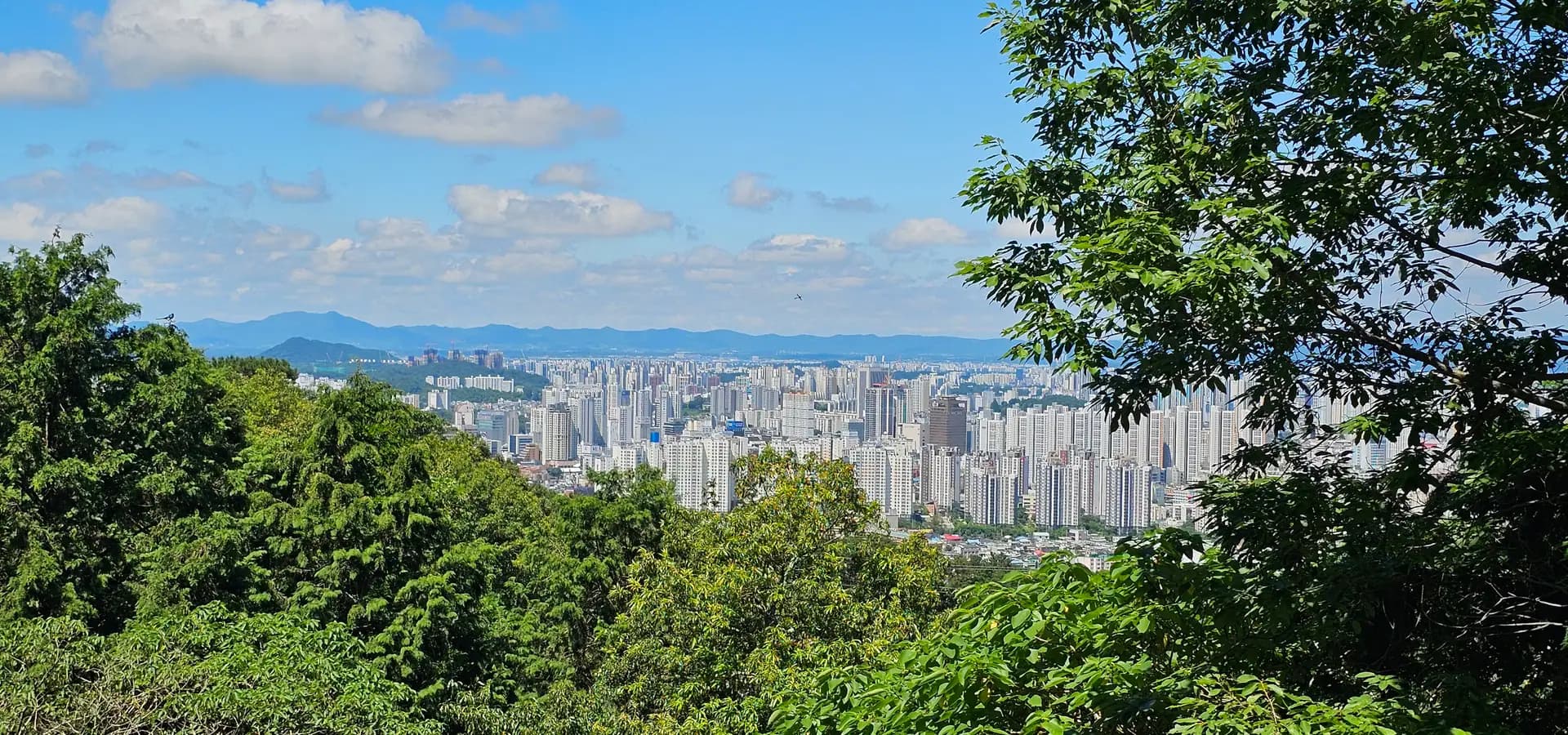
Wide view of Gwangju's high-rise neighborhoods across a green basin, framed by trees and distant blue hills

Red express buses and yellow local ones fan out across a flat basin, and a single metro line arcs from the western train station to the old downtown. Ride east and the streets end at the foot of Mudeungsan, where buses drop hikers at the trailheads. Walking is easy, since most streets stay level and the mountain works as a compass.

Beyond the first sights, Yangnim-dong keeps missionary houses under old trees, and the Asia Culture Center tucks its halls below the old downtown. Spring and autumn bring clear, dry days, while July and August are hot and wet. A Local Friend keeps the day loose enough to swap a summit for a long tteokgalbi lunch when clouds roll in.
Neighborhoods to wander

  • Chungjang-ro & Geumnam-ro

    Old downtown of pedestrian shopping streets, karaoke rooms and late dinners by the ACC.

  • Yangnim-dong

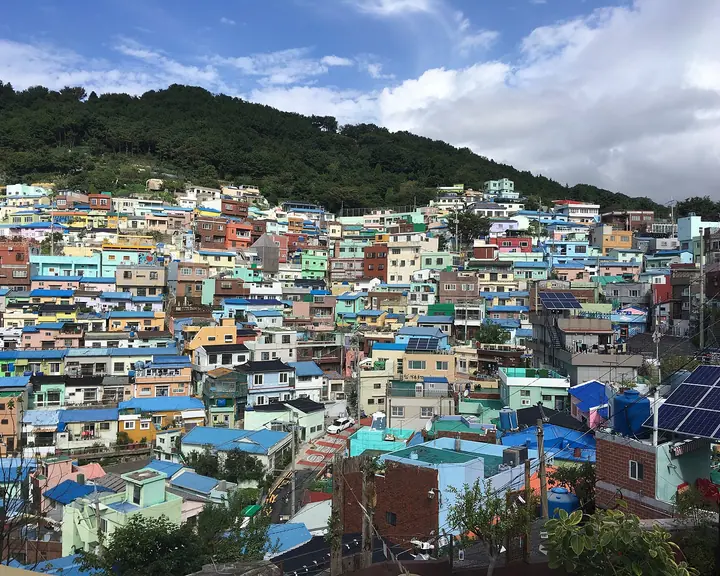
    Century-old trees, missionary houses and the hand-made alley art of Penguin Village.

  • Songjeong

    The high-speed train hub on the west side, with its street of tteokgalbi grills.

Through the year

  • Gwangju Kimchi Festival

    Late October to November

    Kimjang sessions and tastings of Jeolla kimchis made with leaves, radish and seafood.

  • Chungjang Festival

    October

    Downtown streets close to traffic for parades, street food and busking with a retro theme.

Say it like a local

Omae

A Jeolla cry of surprise or delight, a bit like "oh my" in English.

Questions about Gwangju

What travelers ask most before a trip to Gwangju.

  • 1.

    When is the best time to visit Gwangju?

    April, May and October are the most pleasant months, with many clear and dry days for walking downtown or hiking Mudeungsan. July and August are hot and humid, with heavy monsoon rain. Winters are cold but milder than in Seoul, and a little snow falls most years.

  • 2.

    How many days do you need in Gwangju?

    Two to three days covers the main sights. Spend one day downtown around the Asia Culture Center and Chungjang-ro, another hiking Mudeungsan or visiting Jeungsimsa Temple, and add Yangnim-dong, Penguin Village and a tteokgalbi dinner near Songjeong Station. Extra days work well for trips into South Jeolla.

  • 3.

    Is Gwangju the same as Jeonnam-Gwangju?

    Gwangju is now part of Jeonnam-Gwangju. In July 2026 the city merged with South Jeolla Province into one provincial-level city, and its five districts carried on unchanged. It is also different from Gwangju in Gyeonggi Province, a smaller city just southeast of Seoul.

  • 4.

    How do you get from Seoul to Gwangju?

    The fastest way is the KTX or SRT high-speed train, which takes about 90 minutes to Gwangju Songjeong Station. Express buses from Seoul leave every few minutes for the U-Square bus terminal and take longer. There are also domestic flights from Gimpo to Gwangju Airport.

Population
1.4 millionFive districts of the former metropolitan city, 2025 city count.
First recorded
940, as GwangjuEarlier called Mujin; local tradition dates the town to 57 BC.
Climate
Humid subtropical (Cfa)Hot, wet monsoon summers; cold, fairly dry winters with some snow.
Mountain at the door
Mudeungsan, 1,187 mA national park since 2012, about 10 minutes by car from the city.
Did you know?
UNESCO-listed archivesRecords of the May 1980 democracy movement, on Memory of the World.
Known as
City of LightGwang means light and ju means province in the city's name.
On the street
Korean, Jeolla dialectRussian is heard too around the Koryoin Village in Gwangsan-gu.
Main airport
Gwangju Airport (KWJ)About 11 km west; metro Line 1 stops there. Domestic flights only.
Elevation
About 47 mA flat basin floor; Mudeungsan rises to 1,187 m on the east side.
Area
501 km²The five districts of the former metropolitan city, before July 2026.
Time zone
KST, UTC+9Korea Standard Time all year; South Korea has no daylight saving.
From the capital
About 270 km from SeoulThe fastest KTX and SRT trains from Seoul take about 90 minutes.
Born here
Han KangNovelist of The Vegetarian and 2024 Nobel laureate in Literature.

More cities in South Korea

Seoul's palaces and the beaches of Busan are a fine start to exploring more of South Korea.

  • Seoul

    3 Local Gurus1 Local Friend
  • Gwangjin-gu

    1 Local Guru0 Local Friends
  • Busan

    0 Local Gurus0 Local Friends
  • Incheon

    0 Local Gurus0 Local Friends
  • Daegu

    0 Local Gurus0 Local Friends
See all 2 cities in South Korea
  1. Global Community
  2. /Asia
  3. /South Korea
  4. /Gwangju

Gwangju

Tips & Traps in Gwangju

Insider advice from Local Friends in Gwangju: what to do, and what to avoid.

Time a visit for the Gwangju Biennale in even years
Tip
Events

Time a visit for the Gwangju Biennale in even years

Gwangju, South Korea

Gwangju hosts its contemporary art Biennale in even-numbered years, with the main exhibition in a hall on Biennale-ro in Buk-gu. The 2026 edition is the 16th, and the next falls in 2028, so plan ahead if art is your reason to visit. Leave a full afternoon for the hall. Check the…

Catch a local band at Club Boojik in Buk-gu
Tip
Music & Nightlife

Catch a local band at Club Boojik in Buk-gu

Gwangju, South Korea

Club Boojik is a basement live-music venue near Chonnam National University that has hosted Gwangju's indie and punk bands since 2010. Nights are often multi-band bills with local and visiting acts, and the bands sell CDs after their sets. Check the club's social media for the…

Shop Yangdong Market once the stalls open at nine
Tip
Shop

Shop Yangdong Market once the stalls open at nine

Gwangju, South Korea

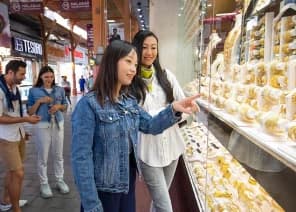
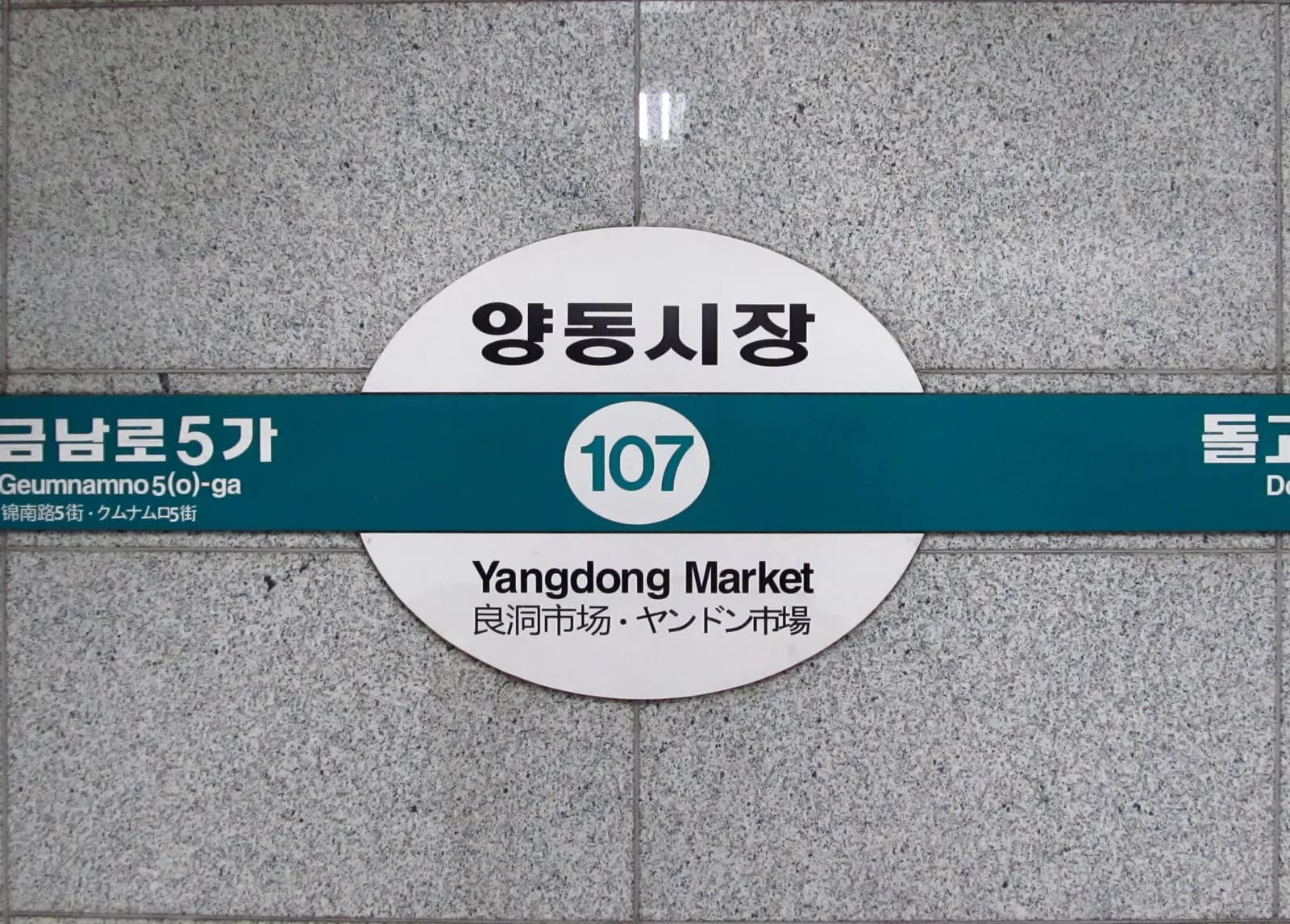
Yangdong Market is the largest traditional market in the region, spread over several buildings of produce, seafood, clothing and household goods. Start on the main alleys to get your bearings, then loop back to whatever caught your eye. Shops generally open around nine in the…

Plan your ride home from Gwangju Lake Eco Park
Trap
Sport & Outdoors

Plan your ride home from Gwangju Lake Eco Park

Gwangju, South Korea

Gwangju Lake Eco Park in Buk-gu is a free lakeside park with flower gardens and long walkways that wind toward the old dam trail. It sits well outside the centre, and city buses run only every 30 to 40 minutes, so a missed bus can mean a long wait. Check the last bus before you…

Muan airport is closed, so plan flights to Gwangju carefully
Trap
Miscellaneous

Muan airport is closed, so plan flights to Gwangju carefully

Gwangju, South Korea

Gwangju Airport handles only domestic flights, and Muan International Airport, which serves the region for international routes, has been closed to passenger flights since the end of 2024 with no reopening date announced. Temporary international service at Gwangju has been…

Check the season before heading to Daein night market
Trap
Events

Check the season before heading to Daein night market

Gwangju, South Korea

Daein Art Market in Dong-gu turns into a Saturday evening night market with street food, craft stalls and stages for local bands and dancers. It is a seasonal event, and listings disagree on the months and hours, so a winter or weekday visit can find ordinary shops only. Look up…

Catch sunset over Gwangju from the Sajik Park tower
Tip
Photography & Views

Catch sunset over Gwangju from the Sajik Park tower

Gwangju, South Korea

The observatory in Sajik Park gives a panoramic view across downtown Gwangju, with Mudeungsan filling the skyline. A cafe on the floor below doubles as a small gallery, so you can sit down while the light changes. Arrive before sunset and stay as the city lights come on…

See an art film at Gwangju Theater, open since 1935
Tip
Art & Culture

See an art film at Gwangju Theater, open since 1935

Gwangju, South Korea

Gwangju Theater opened in 1935 and is one of Korea's oldest cinemas, a single-screen hall that has outlasted the multiplex era. It sits just off Chungjang-ro in Dong-gu and still runs film programmes and festival weeks. Check the screening list on the day and pick a film that…

Try Gwangju's duck stew on Yudong Alley
Tip
Eat & Drink

Try Gwangju's duck stew on Yudong Alley

Gwangju, South Korea

Oritang, a duck and vegetable stew, is a Gwangju specialty. The restaurants that serve it cluster on Yudong Alley in Buk-gu, in the lane beside the Hyundai Department Store. Ask for the version made with ground perilla seeds, which gives the broth a nutty body, and order a pot…

See all 9 Tips & Traps in Gwangju

Join us Become a Local Friend in Gwangju

There are no Local Friends in Gwangju yet, and that is where you come in.
Earn money showing off your favorite local spots and create unique experiences.
Join our community and be the first to show travelers the Gwangju beyond the postcard.

Join our community

Good to know about Gwangju

Practical facts to plan your days, and the stories behind the experiences travelers search for the most.

Last reviewed October 2026

Quick facts

Best time to visit
April-May, OctoberClear, dry spring and autumn days; July and August bring monsoon rain.
How long to stay
2 to 3 daysCovers downtown and the ACC, a Mudeungsan hike, Yangnim-dong and Songjeong.
Getting around
Buses, metro, taxisColor-coded city buses reach most areas; one 20-station metro line crosses town.
Taste like a local
Songjeong tteokgalbiGrilled patties of minced beef and pork, served near Songjeong Station.
Before you go
Monsoon rains in summerRain peaks in July and August; typhoons can reach the area in late summer.

Curiosities behind the most-searched experiences

  • Mudeungsan stone pillars

    Giant stone columns crown Mudeungsan, shaped by Cretaceous volcanic activity and protected as a natural monument. From the trail they look like a folding screen that someone forgot to put away.

    Wellness & Nature
  • Songjeong tteokgalbi street

    In the 1950s a cook named Choe Jeo-ja grilled patties of mixed beef and pork in Songjeong. Beef alone came out too dry, so pork joined the recipe, and a whole street of tteokgalbi restaurants followed.

    Gastronomy
  • Asia Culture Center

    Korea's largest cultural complex keeps most of its new halls underground, with daylight pouring in from above. The old provincial office was kept standing on top, so the newest building in town wears a vintage hat.

    Landmarks & Local History
  • Penguin Village

    This corner of Yangnim-dong is named for the short, careful steps of its older residents. They took the joke with pride and filled the alleys with old radios, clocks and painted penguins.

    Art, Photography & Writing
  • Koryoin Village

    Cyrillic signs line a street in Gwangsan-gu, where Koreans whose families lived for generations in the former Soviet Union run restaurants and shops. Plov and somsa are as easy to find here as kimchi.

    Culture & Local Events
  • Kia Tigers baseball

    Gwangju-Kia Champions Field, home of the Kia Tigers, was completed in 2014 right beside the old ballpark. The city simply moved next door, taking its baseball fever along for the short walk.

    Sports & Outdoors