
HomeGlobal CommunityTips & Traps City Guides
Login
Rent a Local Friend © 2026 - All rights reserved.
  • About us
  • RALF Manifesto
  • Our FAQ
  • Terms
  • Privacy
  • Need help? Contact us!
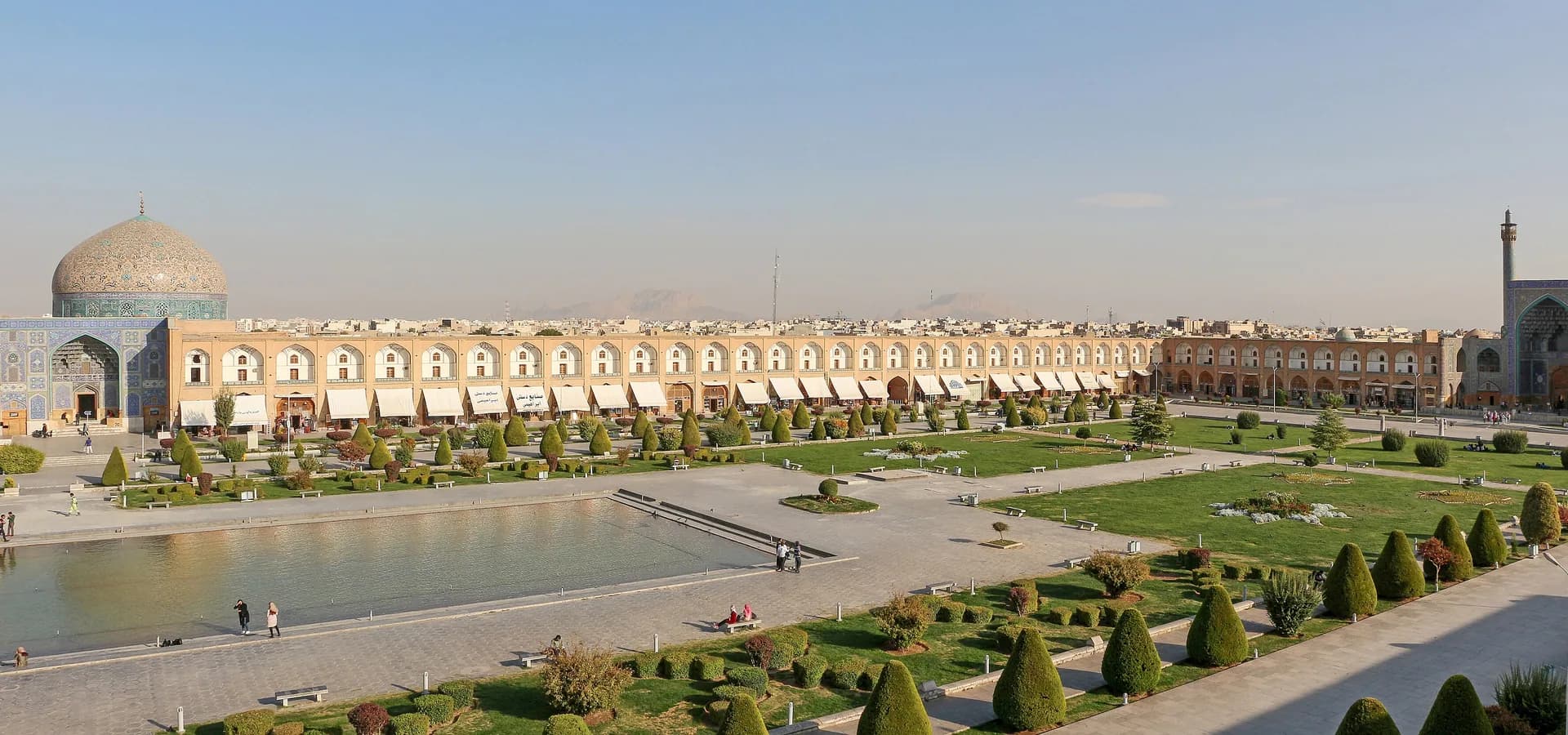
Wide view of Naqsh-e Jahan Square with its long pool, gardens, arcades and tiled domes under a clear sky

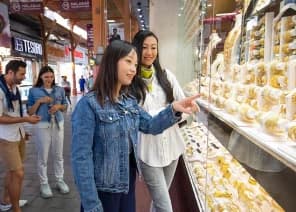
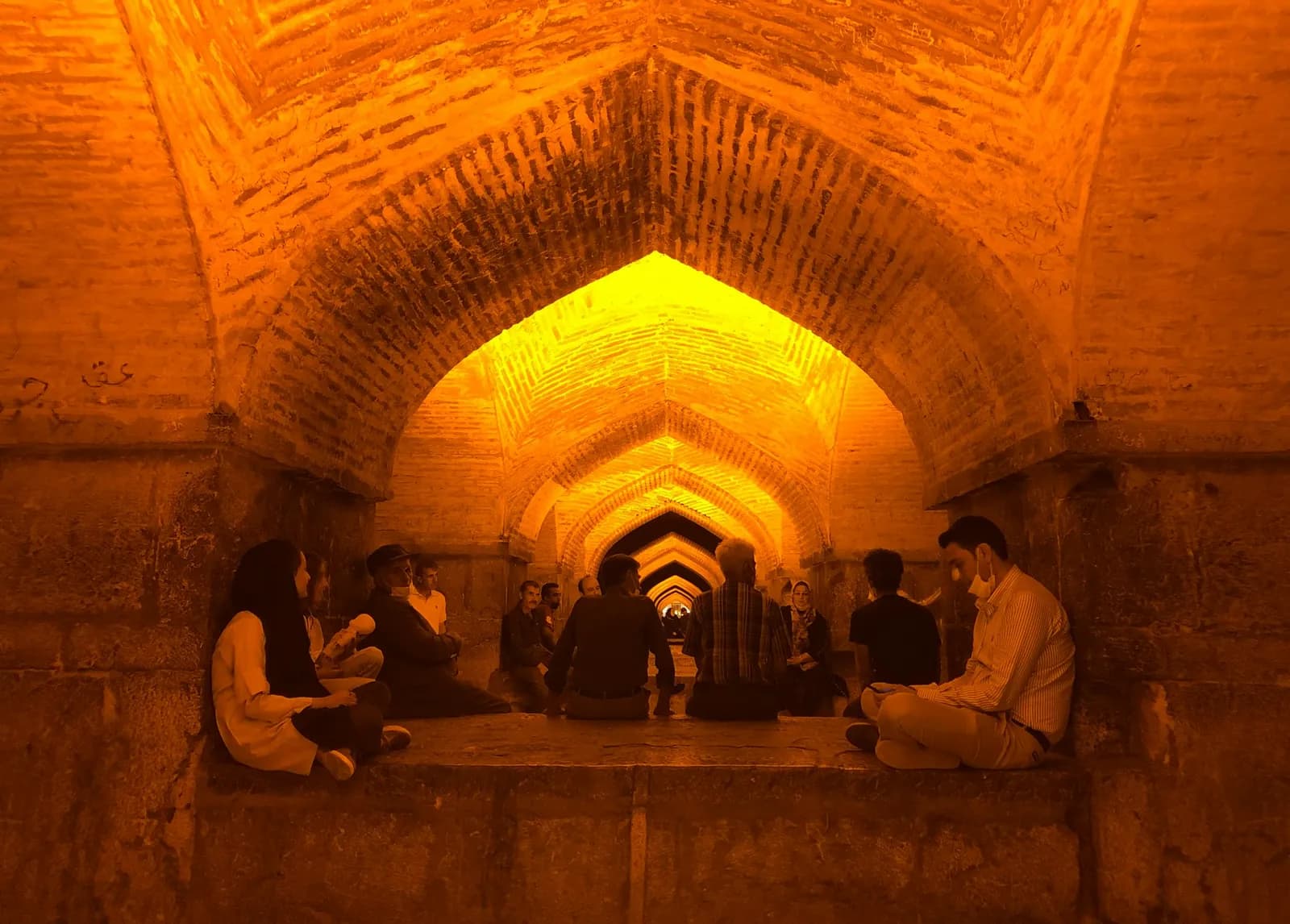
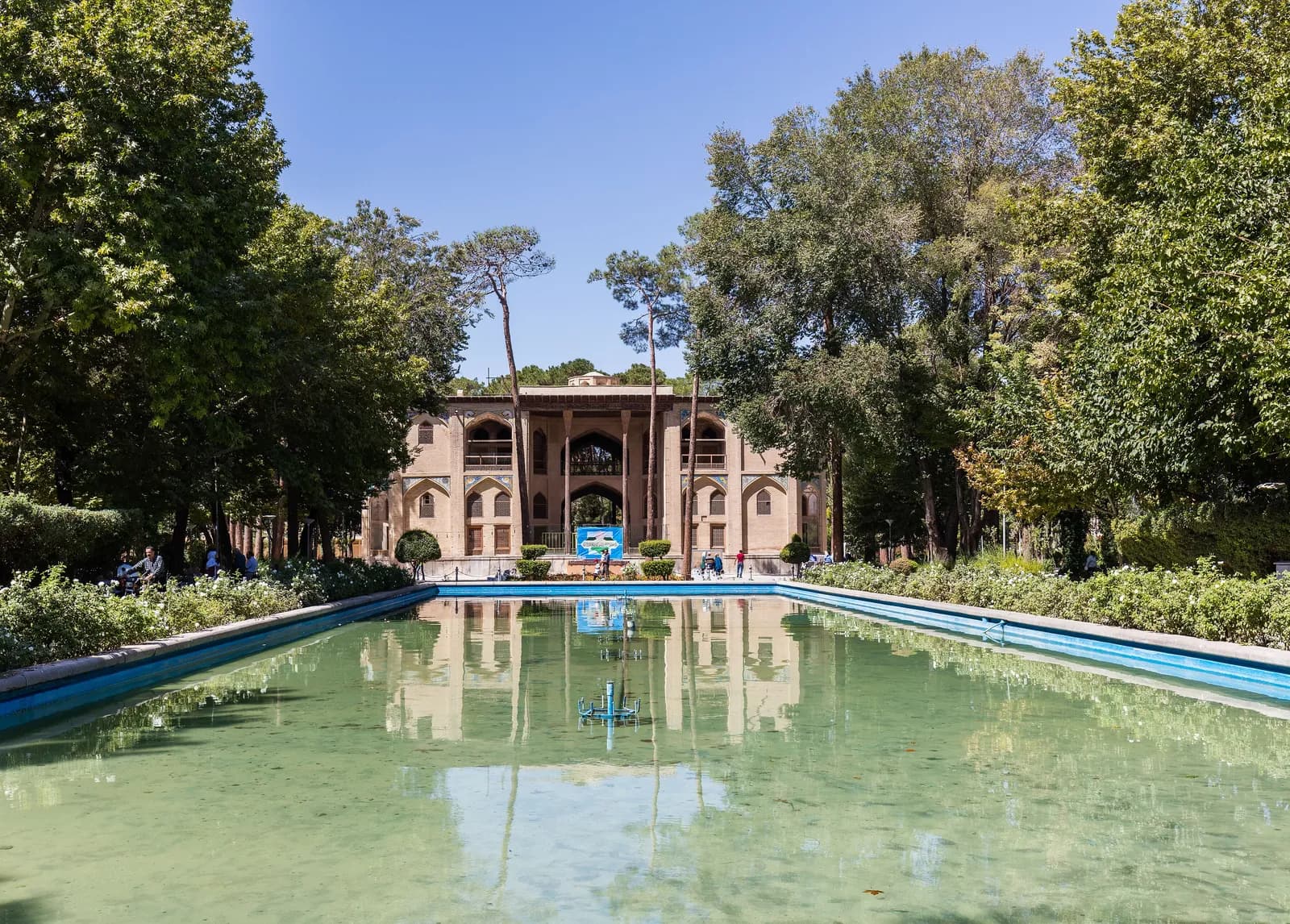
Twenty wooden columns hold up the porch of Chehel Sotoun, yet the palace is called Forty Columns, because the pool in front doubles each one. Small surprises like this turn up all over Isfahan. Si-o-se-pol stacks two rows of thirty-three arches across the Zayanderud, and sweet shops near the square sell gaz, a nougat packed with pistachios.

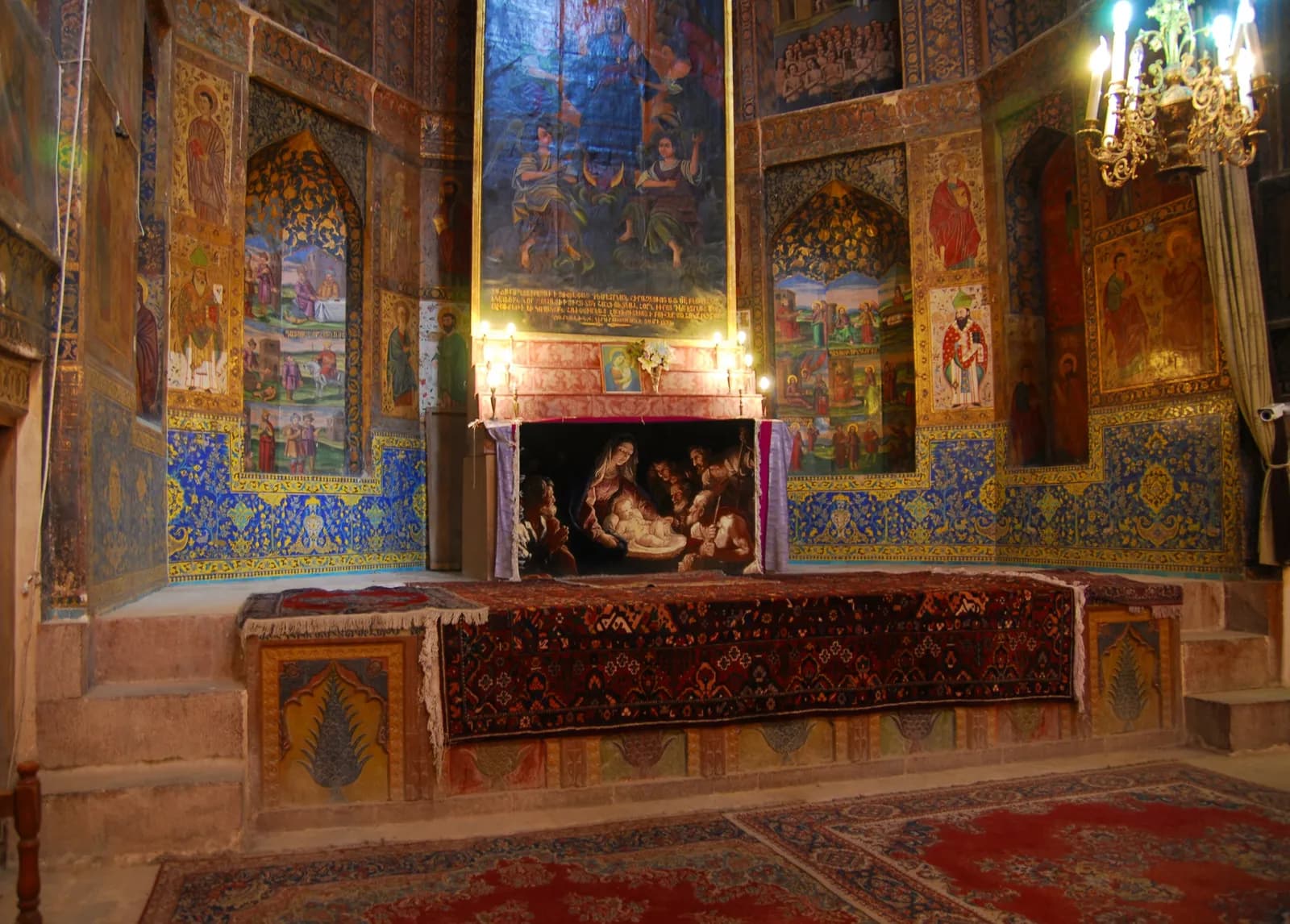
Across the river, the Armenian quarter of New Julfa keeps Vank Cathedral behind a plain brick face, with painted walls waiting inside. The climate is high desert, with hot dry summers, cold winter nights and mild days in spring and autumn. A Local Friend can pull up a chair for you at a family beryani counter you would never have spotted alone.
Neighborhoods to wander

  • New Julfa (Jolfa)

    The Armenian quarter, with Vank Cathedral among its sixteen churches and quiet lanes.

  • Chaharbagh

    Safavid-era boulevard near the old center, lined with hotels, cafés and hostels.

  • Zayanderud riverbanks

    Old bridges and long riverside parks where locals walk every day, water or no water.

Through the year

  • Christmas in New Julfa

    Late December to early January

    The Armenian quarter glows with lights and decorations around Christmas and New Year.

Say it like a local

Merci, kheyli mamnun

Thanks, many thanks: French 'merci' and Persian 'kheyli mamnun' are both everyday words.

Questions about Isfahan

What travelers ask most before a trip to Isfahan.

  • 1.

    When is the best time to visit Isfahan?

    Spring, from March to May, and autumn, from September to November, are the most comfortable seasons in Isfahan. Days are mild and good for walking between the royal square, the river bridges and the bazaar. Summers are hot and dry, while winter nights often drop below freezing.

  • 2.

    How many days do you need in Isfahan?

    Two to three days covers the main sights. Spend one day around Naqsh-e Jahan Square, with its mosques, Ali Qapu palace and the Grand Bazaar. Use another for Chehel Sotoun, the bridges and the Armenian quarter of New Julfa, and save some time for the old Jameh Mosque.

  • 3.

    Why is Isfahan called half the world?

    The name comes from an old Persian saying, Esfahan nesf-e jahan ast, meaning Isfahan is half the world. It reflects the city's fame, which grew after Shah Abbas made it his capital in 1598 and filled it with a grand square, mosques, palaces and bridges.

  • 4.

    Is there water in the Zayanderud river in Isfahan?

    Often not. Water taken upstream, mostly for farming, and years of drought mean the Zayanderud now runs dry through the city for much of the year. The Safavid bridges stand either way, and locals still stroll the riverbanks and parks along its course every day.

Population
About 2 millionCity proper, 2016 national census.
First recorded
2nd century, as AspadanaNamed in Ptolemy's Geography; people lived here far earlier.
Climate
Cold desert (BWk)Hot dry summers, frosty winter nights, mild spring and autumn.
Giant royal square
Naqsh-e Jahan, 560 m long160 m wide, lined by two mosques, a palace and the bazaar gate.
Did you know?
Iran's oldest Friday mosqueThe Jameh Mosque grew over twelve centuries and is UNESCO-listed.
Known as
Half the WorldFrom the saying Esfahan nesf-e jahan ast, 'Isfahan is half the world.'
On the street
Persian, Isfahani accentArmenian is still spoken in the New Julfa quarter.
Main airport
Shahid Beheshti Intl (IFN)About 18.5 km east of the city; taxis run into the center.
Elevation
About 1,580 mHigh plateau air: strong sun by day, cool nights most of the year.
Area
494 km²City area as listed on Wikidata; no year given there.
Time zone
IRST, UTC+3:30Iran Standard Time all year, with no daylight saving.
From the capital
About 340 km from TehranAround 400 km by freeway, roughly 5 to 6 hours by road.
Born here
Mahmoud FarshchianMaster miniaturist who gave Persian painting a modern style.

More cities in Iran

Isfahan's tiled squares and the mountain views of Tehran are waiting as you explore more of Iran.

  • Tehran

    0 Local Gurus0 Local Friends
  • Mashhad

    0 Local Gurus0 Local Friends
  • Karaj

    0 Local Gurus0 Local Friends
  • Tabriz

    0 Local Gurus0 Local Friends
  • Shiraz

    0 Local Gurus0 Local Friends

Nearby cities

  • Esfahan 84 km
See all 1,854 cities in Iran
  1. Global Community
  2. /Asia
  3. /Iran
  4. /Isfahan

Isfahan

0Local Gurus
0Local Friends

Good to know about Isfahan

Practical facts to plan your days, and the stories behind the experiences travelers search for the most.

Last reviewed October 2026

Quick facts

Best time to visit
Mar to May, Sep to NovMild days for walking; summers are hot and winter nights can freeze.
How long to stay
2 to 3 daysCovers the royal square, the bridges, Chehel Sotoun and New Julfa.
Getting around
Metro, buses, taxis, appsOne north-south metro line, a BRT bus line, and Snapp or Tapsi rides.
Taste like a local
BeryaniMinced mutton, often with lung, seared flat in a special shallow pan.
Before you go
Foreign cards don't workSanctions block Western credit and debit cards, so visitors use cash.

Curiosities behind the most-searched experiences

  • Si-o-se-pol

    Built between 1599 and 1602 for Shah Abbas's commander Allahverdi Khan, the bridge stacks two rows of 33 arches. It was designed as a dam as well, so it holds two jobs and still poses for every photo.

    Landmarks & Local History

Tips & Traps in Isfahan

Insider advice from Local Friends in Isfahan: what to do, and what to avoid.

Sleep in a Safavid caravanserai at the Abbasi Hotel
Tip
Sleep

Sleep in a Safavid caravanserai at the Abbasi Hotel

Isfahan, Iran

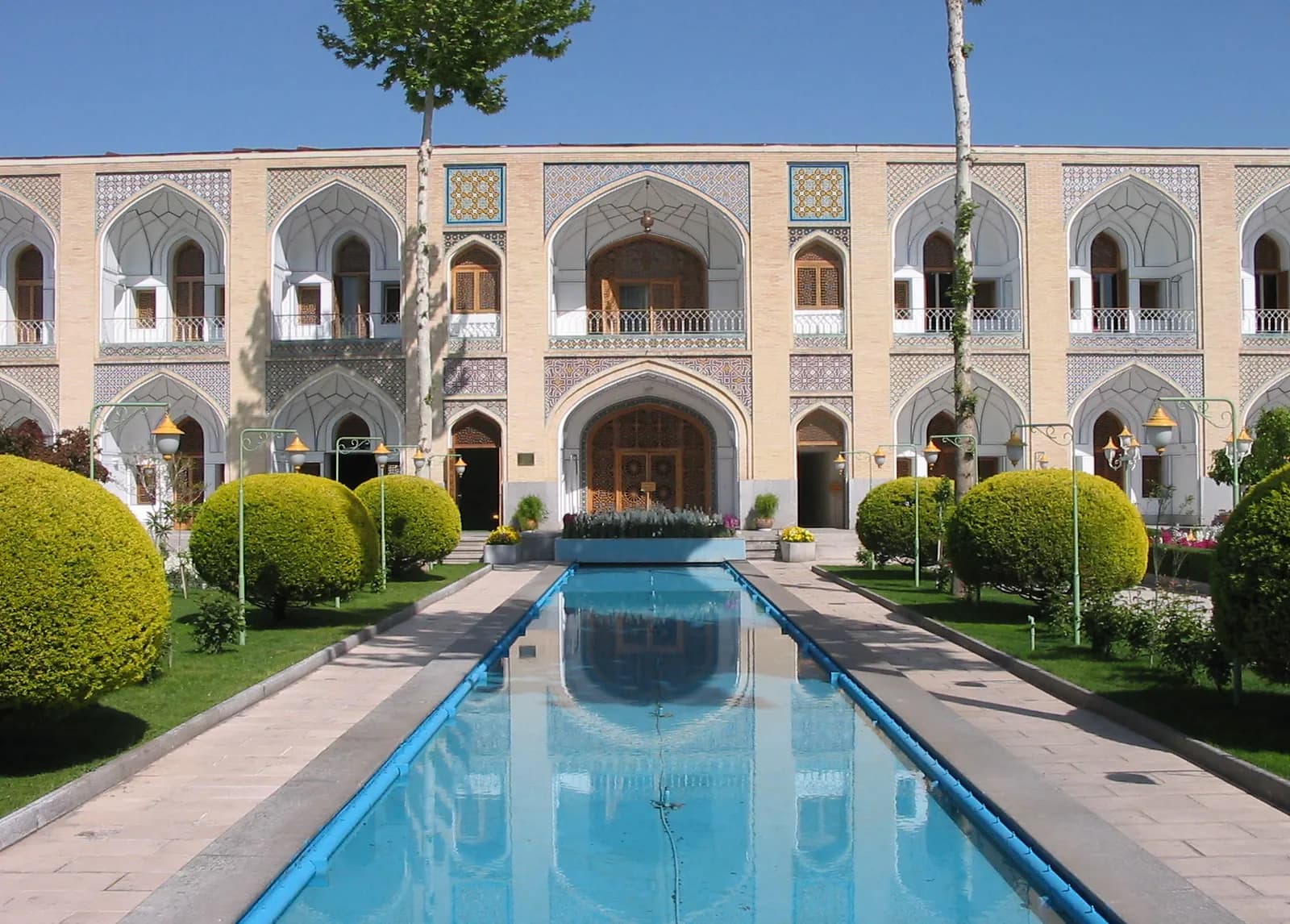
The Abbasi Hotel, on a side street of Chaharbagh, was built as a caravanserai under Sultan Husayn and still operates as a hotel, with old paintings and artefacts in its gardens. A rooftop restaurant overlooks the city and a traditional Iranian restaurant serves local dishes…

Isfahan Music Museum: instruments, often a mini concert
Tip
Music & Nightlife

Isfahan Music Museum: instruments, often a mini concert

Isfahan, Iran

The Isfahan Music Museum shows traditional Iranian instruments, and its student guides often play them for visitors, sometimes closing the visit with a short classical Persian concert. Reviews from 2024 to 2026 describe this, so it is clearly still active. Guides disagree on the…

Visit the Qeysarieh Bazaar early, shops shut by sunset
Trap
Shop

Visit the Qeysarieh Bazaar early, shops shut by sunset

Isfahan, Iran

The covered Qeysarieh Bazaar north of the royal square is free to enter, but each shop keeps its own hours and many close as the day fades. Mornings and midday are busiest and best for browsing carpets, inlay and copperware. Arrive early, compare a few stalls patiently and keep…

Buy poolaki and gaz-e-ardi to carry home
Tip
Shop

Buy poolaki and gaz-e-ardi to carry home

Isfahan, Iran

Poolaki is a thin, coin-shaped candy made mainly in Isfahan, in flavours such as saffron, lemon and pistachio, and it melts in the mouth like toffee. For travel, look for gaz-e-ardi, the flour-dusted gaz that keeps longer and is less sweet. Sweet shops around the royal square…

Bedkhem Church in Jolfa: 72 paintings of Christ's life
Tip
Art & Culture

Bedkhem Church in Jolfa: 72 paintings of Christ's life

Isfahan, Iran

Bedkhem Church stands on Julfa Square beside Saint Mary Church and dates from 1627, paid for by the merchant Khaje Petros. Inside, two rows of 72 paintings by Armenian artists show the life of Jesus under a gilded dome. It is smaller than the cathedral most visitors head for, so…

Atashgah hill: wear real shoes, there is no paved path
Trap
Photography & Views

Atashgah hill: wear real shoes, there is no paved path

Isfahan, Iran

The Atashgah, a Sasanian fire temple complex on a hill west of the centre, rewards a climb with views across the plain. There is no paved path and the clay soil crumbles underfoot, especially after rain, so flip-flops are a bad idea. Take a taxi to the foot of the hill, wear…

Hasht Behesht: murals and mirror work off Chaharbagh
Tip
Art & Culture

Hasht Behesht: murals and mirror work off Chaharbagh

Isfahan, Iran

Hasht Behesht, the Eight Heavens, is an octagonal pavilion from the 17th century, built under Shah Suleiman I on Chaharbagh Street. Inside are murals, mirror work, tilework and perforated woodwork, while tall thin wooden columns hold up its porches. Walk round to the pool behind…

Shaking Minarets: you watch the shake, you do not climb
Trap
Art & Culture

Shaking Minarets: you watch the shake, you do not climb

Isfahan, Iran

Menar Jonban, a 14th-century tomb with twin brick minarets west of the centre, is famous for its shake: when the caretaker moves one minaret, the other trembles too. The staircase is closed to visitors, so only the caretaker climbs. Published demonstration times differ between…

Soffeh Mountain: park trails and cable car above the city
Tip
Sport & Outdoors

Soffeh Mountain: park trails and cable car above the city

Isfahan, Iran

Soffeh Mountain rises just south of the city, and its park covers at least 100 hectares of hills with paths, restaurants and a panorama of Isfahan that is best seen at night. The hardest route up has ropes and takes 3 to 4 hours, so most visitors choose the gentler park trails…

Try khoresht mast, Isfahan's sweet saffron lamb and yogurt
Tip
Eat & Drink

Try khoresht mast, Isfahan's sweet saffron lamb and yogurt

Isfahan, Iran

Khoresht mast is an Isfahani specialty served cold: slow-cooked lamb neck mashed until stretchy, then folded into thick yogurt with sugar and saffron. It was once a royal court main course and now usually arrives as a starter or dessert, topped with pistachio and barberries. Ask…

See all 10 Tips & Traps in Isfahan
  • Gaz nougat

    Isfahan's nougat takes its name from gaz-angabin, a sweet honeydew once gathered from shrubs in the Zagros. Today's boxes lean on pistachios, rosewater and egg whites, but the old name stuck around.

    Gastronomy
  • Chehel Sotoun

    The name means Forty Columns, though the porch has only twenty slender wooden ones. The long pool in front supplies the other twenty, as long as nobody makes ripples.

    Art, Photography & Writing
  • Khaju Bridge

    Shah Abbas II built this bridge and weir around 1650, with a pavilion in the middle where he sat to admire the view. Only bits of his stone seat remain, so the view now belongs to everyone.

    Culture & Local Events
  • Isfahani beryani

    Despite the name, Isfahan's beryani has no rice at all. It is minced mutton, often mixed with lung, seared flat in a shallow pan made just for the job.

    Gastronomy
  • Vank Cathedral

    Seen from the street, the Armenian cathedral of New Julfa is plain brick. Inside, frescoes and gilded carvings cover nearly every surface, as if it saved all its decoration for guests.

    Landmarks & Local History
    • Khaju Bridge

      Shah Abbas II built this bridge and weir around 1650, with a pavilion in the middle where he sat to admire the view. Only bits of his stone seat remain, so the view now belongs to everyone.

      Culture & Local Events
    • Isfahani beryani

      Despite the name, Isfahan's beryani has no rice at all. It is minced mutton, often mixed with lung, seared flat in a shallow pan made just for the job.

      Gastronomy
    • Vank Cathedral

      Seen from the street, the Armenian cathedral of New Julfa is plain brick. Inside, frescoes and gilded carvings cover nearly every surface, as if it saved all its decoration for guests.

      Landmarks & Local History

    Join us Become a Local Friend in Isfahan

    There are no Local Friends in Isfahan yet, and that is where you come in.
    Earn money showing off your favorite local spots and create unique experiences.
    Join our community and be the first to show travelers the Isfahan beyond the postcard.

    Join our community